

TL;DR:
- Soreness or cramping after a cervical exam during pregnancy is common and usually harmless, resulting from increased cervical blood flow and uterine responses. Most symptoms like mild cramping and light spotting resolve within hours or by the next day with rest and hydration, but severe signs require immediate medical attention. Relaxation, proper self-care, and open communication with your provider can help reduce discomfort and ensure safety during pregnancy.
Feeling soreness or cramping after a cervical exam during pregnancy can stop you in your tracks and send your mind racing. You are not alone in that worry. Pain after cervical exam pregnancy appointments is one of the most common concerns that comes up, and the reassuring truth is that most of what you feel afterward is completely normal. This article will walk you through exactly why it happens, what sensations to expect, how to ease the discomfort at home, and the specific signs that mean it is time to call your provider.
Table of Contents
- Key takeaways
- Why pain after cervical exams is so common
- What to expect after a cervical exam
- How to relieve discomfort after a cervical exam
- Warning signs that need a provider call
- My honest take on managing post-exam pain
- Support that holds you through the hard moments
- FAQ
Key takeaways
| Point | Details |
|---|---|
| Mild cramping is normal | Light cramping after a cervical check typically settles within hours and does not signal a problem. |
| Anxiety worsens discomfort | Muscle tension from nerves can intensify pain, so relaxation before and during the exam genuinely helps. |
| Rest and hydration help | Simple self-care like resting and drinking water can soothe uterine irritation after an exam. |
| Know the warning signs | Heavy bleeding, fever, or worsening pelvic pain after an exam need prompt medical attention. |
| Advocate for yourself | You can ask your provider to adjust their technique, use more lubrication, or slow down to reduce discomfort. |
Why pain after cervical exams is so common
Your cervix goes through remarkable changes during pregnancy. It becomes highly vascular and sensitive due to increased blood flow and hormonal shifts, which means even gentle contact can cause noticeable soreness afterward. Think of it like pressing on a bruise that was not quite visible before. You did not know it was tender until something touched it.
Beyond the cervix itself, there is the uterus to consider. Cervical exams can trigger brief uterine contractions as the muscle responds to irritation and stimulation. This is the cramping you feel during or shortly after the exam. It is not labor. It is just your uterus reacting the way muscles do when they are surprised.
There is also the role your nervous system plays. Pelvic floor muscle tension from anxiety or anticipation can make the exam feel more intense than it needs to be. Many people tense up without realizing it, and that tension lingers after the exam is over.
Common sensations after a cervical check include:
- Mild to moderate cramping that feels similar to period cramps
- Light spotting or bloody show, especially later in pregnancy, from cervical irritation and vascularity
- Pelvic soreness or pressure, as though the area has been jostled
- A bruised feeling in the vaginal walls that can last a few hours
Pro Tip: Before your next exam, try taking a few slow, deep belly breaths as the provider begins. Releasing tension in your pelvic floor, the same way you would if you were trying to let go of a held breath, can make a real difference in how much discomfort you feel and carry afterward.
What to expect after a cervical exam
Knowing the typical timeline and symptoms helps you feel grounded instead of anxious. Here is a straightforward picture of what cervical exam discomfort in pregnancy usually looks like.
How symptoms typically progress:
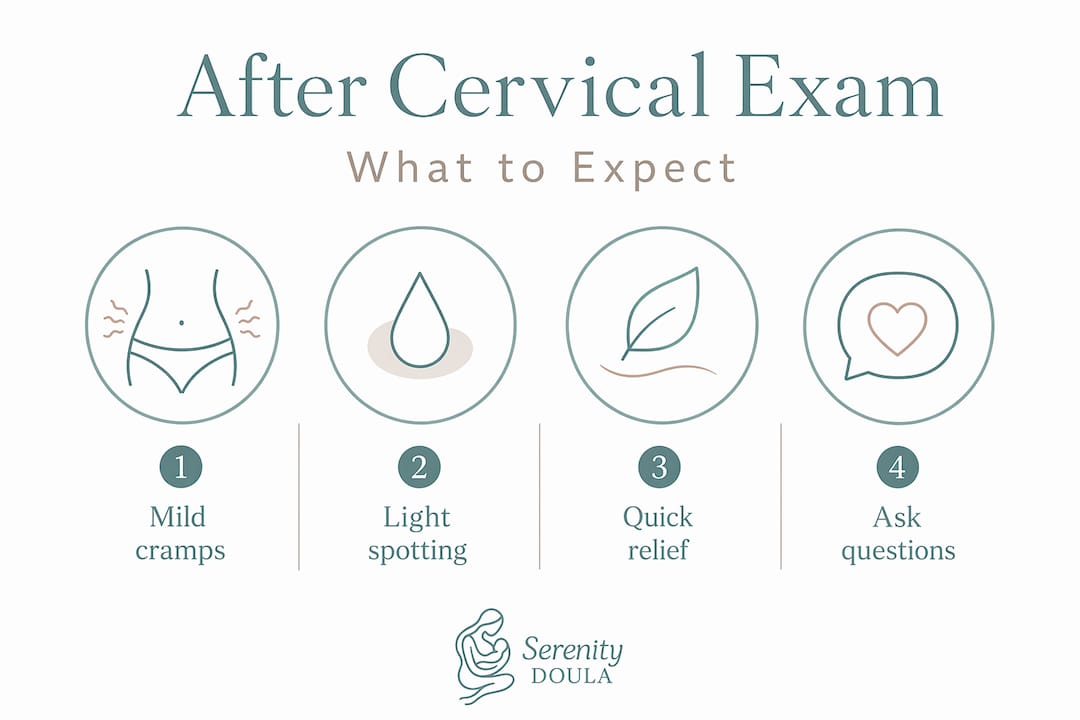
- During the exam: You may feel pressure, an aching sensation, or a brief sharp feeling as the provider checks dilation or effacement.
- First 30 to 60 minutes after: Cramping is often at its most noticeable. Light spotting may appear when you wipe.
- Hours 1 through 6: Cramping gradually eases. Spotting, if present, typically stops or becomes very faint.
- By the next day: Most women feel back to baseline. Any pelvic soreness has usually resolved.
Post-check cramping most often settles within the day, and light spotting resolves quickly as well. That said, how active you are after the exam matters. Walking a lot, having a full bladder, or carrying something heavy can all make residual cramping feel more pronounced.
| Symptom | Normal duration | What to watch for |
|---|---|---|
| Mild cramping | A few hours, up to 24 hours | Cramping that worsens or continues past 24 hours |
| Light spotting | A few hours | Bleeding that fills a pad or is bright red |
| Pelvic soreness | Several hours | Pain that intensifies over time |
| Vaginal pressure | A few hours | Pressure paired with contractions or discharge |
You can learn more about what cervical exams involve and how they are used throughout pregnancy to better prepare yourself for each appointment.
How to relieve discomfort after a cervical exam
Good news: you do not have to just wait it out. There are practical, gentle things you can do right after your appointment that genuinely help.
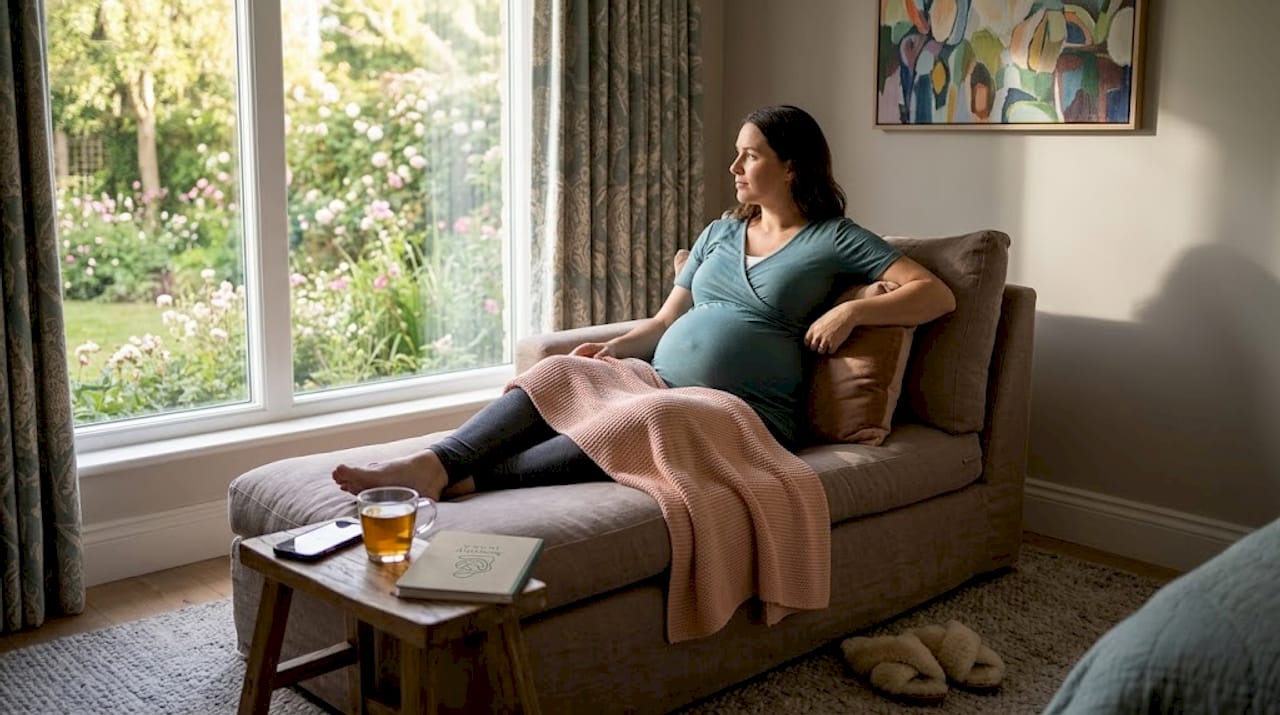
- Rest when you can. Sitting or lying down after your appointment gives your uterus a chance to calm down and reduces any cramping triggered by movement.
- Stay hydrated. Dehydration can worsen uterine cramping, so drinking water after your exam supports your body in settling back down.
- Take a warm shower. Warm water relaxes pelvic muscles and can ease the bruised feeling that sometimes lingers after an exam.
- Avoid strenuous activity for the rest of the day. Heavy lifting, intense exercise, or a lot of walking can amplify post-exam soreness.
- Practice pelvic floor release. Gentle diaphragmatic breathing or a supported reclined position can ease tension that the exam may have left behind.
Simple self-care measures soothe uterine irritation more effectively than most people expect. You do not always need medication. Sometimes your body just needs permission to rest.
Pro Tip: If your exams are consistently uncomfortable, ask your provider directly about adjustments. Using more lubrication and slowing the exam can substantially reduce discomfort. You are allowed to ask. A good provider will welcome the conversation.
For more ideas on easing pelvic tension, the comfort measures during labor page at Myserenitydoula covers relaxation techniques that also work beautifully in the days leading up to birth.
Warning signs that need a provider call
Most post-exam discomfort is nothing to worry about. But knowing the specific signs that cross the line from normal to concerning is the kind of knowledge that keeps you safe and confident.
Contact your healthcare provider right away if you experience any of the following after a cervical exam:
- Heavy bleeding that soaks a pad or is bright red and does not slow down
- Severe or worsening pelvic pain that goes beyond mild cramping and intensifies over time
- Fever or chills, which can point to infection
- Foul-smelling vaginal discharge, a possible sign of cervicitis or another infection requiring treatment
- Persistent contractions that come in a regular pattern
- Reduced fetal movement, which always warrants a call regardless of the cause
Warning signs including heavy bleeding, worsening pain, or decreased fetal movement need prompt evaluation. When in doubt, call. You are never being dramatic for checking in.
Statistic Spotlight: Persistent or worsening pain after pelvic exams can indicate infections like cervicitis or pelvic inflammatory disease, both of which respond well to early treatment but worsen without it.
My honest take on managing post-exam pain
I have supported many pregnant women through the anxiety that comes with cervical exams, and one thing I see over and over is how much the fear of pain amplifies the pain itself. The “just push through it” mindset does not serve you here. Exam discomfort often comes from muscle tension and anxiety, not from something being wrong with your body.
What I have learned is that the most powerful thing you can do is speak up before and during the exam. Tell your provider if you are anxious. Ask them to go slowly. Request more lubrication. These are not complaints. They are your right as a patient and as the person growing a whole human being.
I also want to say this plainly: you should never feel like you are carrying the discomfort of pregnancy care alone. Mild post-exam soreness is normal, yes. But your experience of it matters, and you deserve support that goes beyond a clinical checklist.
— Alexis Wallace
Support that holds you through the hard moments

Cervical exams, especially as your due date approaches, can stir up anxiety, discomfort, and a lot of unanswered questions. That is exactly where having a doula in your corner changes things. At Myserenitydoula, the pregnancy and birth support doula services are built around helping you feel prepared, calm, and truly seen at every stage of your pregnancy. From relaxation techniques that reduce pelvic tension before exams to emotional support between appointments, a doula provides the kind of personalized care that no appointment checklist can replicate. You deserve someone who knows your story, holds your concerns, and helps you show up to each visit feeling grounded.
FAQ
What causes pain after a cervical exam during pregnancy?
Pain after a cervical exam during pregnancy is usually caused by cervical sensitivity from increased blood flow, uterine contractions triggered by stimulation, or pelvic floor muscle tension. These responses are normal and typically resolve within a few hours.
Is cramping after a cervical check normal?
Yes, mild cramping after a cervical check is normal and expected. The uterus responds to exam-related irritation with brief contractions, and this cramping usually fades within the day.
How long does pain after a cervical exam last?
Most discomfort, including cramping and light spotting, resolves within a few hours and almost always by the following day. If pain worsens or persists beyond 24 hours, contact your provider.
When should I call my doctor after a cervical exam?
Call your provider if you experience heavy or bright red bleeding, fever, foul-smelling discharge, worsening pelvic pain, persistent contractions, or reduced fetal movement after an exam.
Can I do anything to make cervical exams less painful?
Practicing deep, relaxed breathing before and during the exam can reduce pelvic floor tension, which is a major contributor to exam discomfort. You can also ask your provider to use more lubrication or adjust their technique to improve your comfort.