
TL;DR:
- A positive birth environment improves labor outcomes by reducing interventions and promoting maternal calmness. Using LDRP units, sensory adjustments, mobility support, and detailed birth plans can foster a safer, more comfortable experience. Preparing these elements in advance helps parents advocate effectively and creates a more nurturing setting for labor and delivery.
The birth environment is defined as the physical, sensory, and relational space in which labor and delivery unfold. Its impact on labor outcomes is not subtle. A calm, private setting reduces stress hormones that directly inhibit labor progress, supporting the natural release of oxytocin and the physiologic birth process. Research published in 2026 confirms that integrated, home-like birth units lower cesarean rates, shorten labor duration, and increase maternal feelings of calm. For families in Bucks County preparing for birth, understanding how surroundings during delivery shape both body and mind is one of the most practical steps you can take before your due date.
How does the birth setting affect labor outcomes?
Where you give birth shapes what happens during labor in measurable ways. Integrated labor-delivery-recovery-postpartum units, known as LDRP units, merge clinical safety with a home-like feel. They keep you in one room from early labor through postpartum recovery, rather than moving you between departments at critical moments.
The data on LDRP units is striking. A 2026 study found that cesarean rates dropped by 3.4% in LDRP settings compared to traditional hospital rooms (1.2% vs 4.6%). That same research showed neonatal transfer rates fell by 10.6% (5.4% vs 16.0%). These are not small differences. They reflect how profoundly the birth environment impact extends beyond comfort into clinical safety.
The psychological benefits are equally clear. Women in LDRP units reported feeling calm at a rate of 17.7% compared to just 0.4% in traditional rooms. Labor was also shorter: 7.3 hours on average versus 9.8 hours. Feeling safe and settled in your surroundings appears to let your body do its work more efficiently.
| Outcome | LDRP unit | Traditional room |
|---|---|---|
| Cesarean rate | 1.2% | 4.6% |
| Neonatal transfer rate | 5.4% | 16.0% |
| Mothers reporting calm | 17.7% | 0.4% |
| Average labor duration | 7.3 hours | 9.8 hours |
Pro Tip: When touring birth facilities in Bucks County, including Trinity Health St. Mary, ask specifically whether they offer LDRP rooms. The answer affects not just your comfort but your clinical outcomes.
What sensory elements create a calming birth space?
The physical design of a birth room does more than set a mood. Sensory elements act as buffers against the clinical atmosphere of a hospital, helping your nervous system stay in a state that supports labor. Research on multisensory birthing rooms found that participants described these environments as softening the clinical feel and fostering teamwork and rich emotional experiences. That sense of emotional safety directly supports the hormonal conditions that keep labor moving.
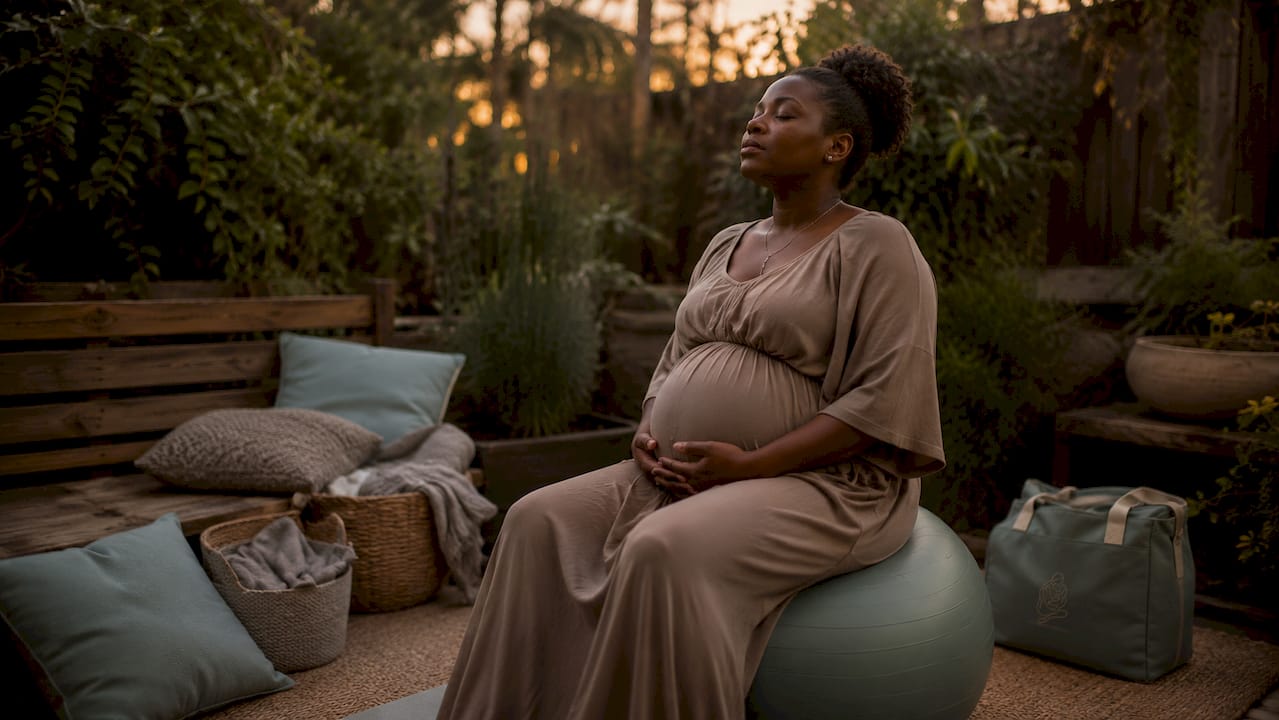
The midwife or doula plays a central role in orchestrating this atmosphere. A skilled support person adjusts the room’s sensory cues throughout labor, responding to your changing needs. This is where trauma-informed care frameworks become relevant. These approaches prioritize dignity, autonomy, and psychological safety as core components of the birth environment, not optional extras.
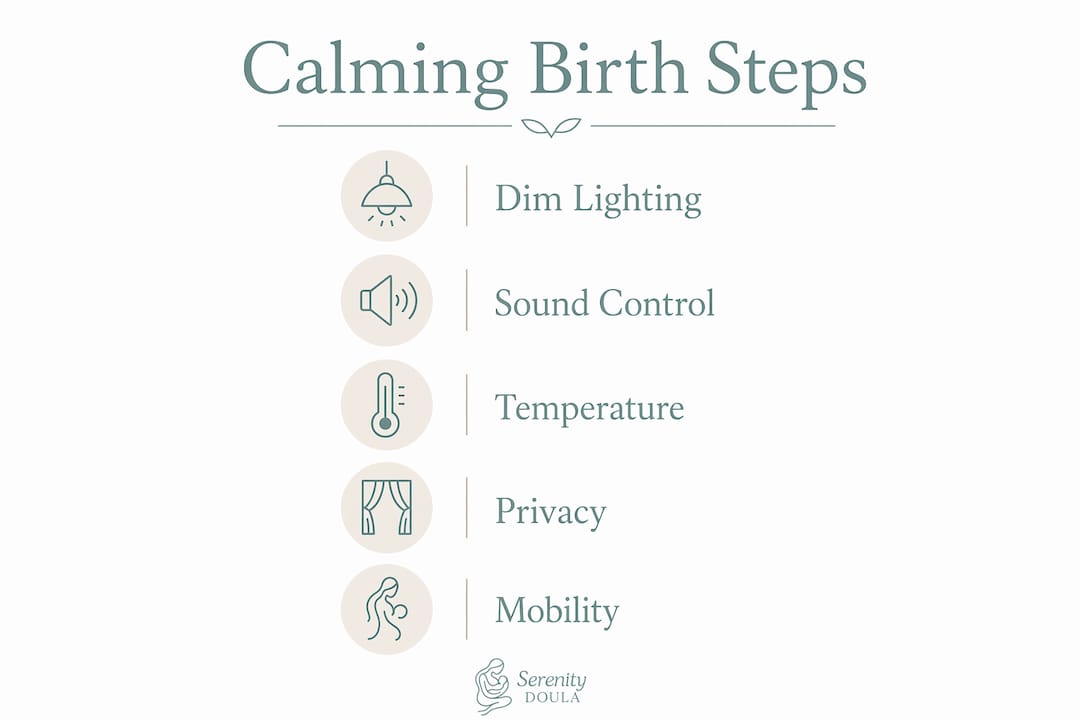
Whether you are planning a hospital birth in Doylestown or a birth center experience, you can shape your sensory environment. Here are the elements worth discussing with your care team:
- Lighting: Request dimmed or adjustable lighting. Bright overhead lights signal “medical procedure” to your nervous system.
- Sound: Bring a curated playlist, nature sounds, or white noise. Familiar audio cues reduce anxiety.
- Temperature: A room that feels slightly warm supports relaxation. Ask about thermostat control.
- Scent: Lavender and chamomile are commonly used for calming. Confirm your facility allows essential oil diffusers.
- Familiar objects: A pillow from home, a photo, or a soft blanket can anchor you emotionally.
- Privacy: Limiting the number of people entering the room reduces cortisol and supports oxytocin flow.
Pro Tip: Build your calm birth space checklist at least four weeks before your due date so you have time to confirm what your facility allows.
How does mobility during labor reduce interventions?
Freedom to move during labor is not just a comfort preference. It is a clinical factor. Traditional gynecological tables restrict position changes, which limits how your pelvis can open and how your baby can descend. Mobility-enabling birth beds are designed to support a wide range of positions throughout labor and pushing.
The evidence is direct. A 2026 study found that episiotomy rates decreased by 22.5% when mobility-enabling beds were used (45% vs 67.5%). Fundal compression, a procedure that carries its own risks, dropped by 18.1% (6.9% vs 25%). Women also reported lower pain scores and higher overall birth satisfaction. You can read more about how birth bed design affects these outcomes.
| Intervention | Mobility-enabling bed | Traditional table |
|---|---|---|
| Episiotomy rate | 45% | 67.5% |
| Fundal compression rate | 6.9% | 25% |
Movement also supports natural labor progression by using gravity and positional shifts to help your baby rotate and descend. Changing positions every 30 to 60 minutes during active labor is a well-established technique in physiologic birth support. The biopsychosocial model in physiotherapy frames this well: physical freedom and psychological confidence reinforce each other throughout labor.
Pro Tip: Ask your provider directly: “What positions are supported in this room, and what equipment do you have to help me move during labor?” The question itself signals that you are an informed participant in your care.
Why does a birth plan shape your birth environment?
A birth plan is a communication tool, not a contract. Its real power lies in the conversations it generates during prenatal visits, not the document itself. When you write down your preferences for lighting, who is in the room, pain management, and pushing positions, you give your care team a map of what matters to you.
The outcomes linked to birth plans are significant. Research shows that parents who use birth plans have a higher likelihood of vaginal delivery (OR 3.22) and early breastfeeding initiation (OR 3.68). These numbers reflect something deeper than paperwork. They reflect the effect of respectful, woman-centered care established before labor begins.
The most impactful factor in a positive birth experience is the patient-provider relationship built on shared decision-making. A birth plan creates the structure for that relationship. Here is how to use one effectively:
- Start early. Draft your birth plan by 32 weeks so you have time to discuss it at prenatal appointments.
- Keep it concise. One page with clear sections is easier for your care team to reference during labor.
- Include sensory preferences. Note lighting, sound, and privacy needs alongside medical preferences.
- Discuss it out loud. Walk through the plan with your provider, not just your doula. Ask: “Is there anything here that conflicts with your protocols?”
- Build in flexibility. Note your preferences for both low-intervention and medicated or cesarean scenarios.
- Share it with everyone. Give a copy to your nurse, midwife, and any support person in the room.
Pro Tip: Serenity Doula works with Bucks County families to draft birth plans that reflect their values and open real dialogue with their care teams. This is one of the most concrete ways to shape your birth environment before labor starts.
Key Takeaways
The birth environment directly influences labor duration, intervention rates, and maternal well-being, making intentional preparation one of the highest-impact steps expecting parents can take.
| Point | Details |
|---|---|
| LDRP units improve outcomes | Integrated rooms reduce cesarean rates and shorten labor compared to traditional hospital settings. |
| Sensory design matters | Dim lighting, familiar sounds, and privacy support oxytocin release and reduce stress hormones during labor. |
| Mobility reduces interventions | Mobility-enabling beds lower episiotomy rates by 22.5% and increase birth satisfaction. |
| Birth plans build relationships | Written preferences improve vaginal delivery rates and open respectful dialogue with care providers. |
| Doula support ties it together | A doula helps you communicate preferences, adjust the environment in real time, and advocate for your choices. |
What I have seen in 10 years of supporting births in Bucks County
The most peaceful births I have attended were not always in the most beautiful rooms. They were births where the parent felt genuinely heard. That is the insight that took me years to fully appreciate. You can have soft lighting and a curated playlist, and still feel anxious if your care team is not listening to you. Conversely, I have seen parents labor beautifully in a standard hospital room because their nurse pulled a chair close and said, “Tell me what you need.”
That said, the physical environment is not irrelevant. When I help families prepare their birth space, whether at Doylestown Hospital, Trinity Health St. Mary, or a birth center in Newtown, I always start with the sensory basics: lighting, sound, and who is in the room. These are the levers you actually control. Then we work on the relational piece, which means practicing how to ask for what you need and building a care team that responds.
The families who arrive at labor with a clear birth plan, a trusted support person, and a few sensory anchors in their bag consistently report feeling more grounded, even when labor does not go exactly as planned. That grounded feeling is not just emotional. It is physiological. It keeps stress hormones lower and gives your body the best conditions to work. Trust your instincts, prepare your space, and do not be afraid to advocate for the atmosphere you need.
— Alexis Wallace
How Serenity Doula helps you prepare your birth environment
Preparing your birth environment is one of the most meaningful things you can do before labor begins. Serenity Doula offers pregnancy and birth support designed specifically for Bucks County families who want personalized, evidence-based guidance from someone who has been in that room before.
Serenity Doula works with you to build a birth plan that reflects your values, identify sensory preferences your care team can support, and prepare you to advocate for the atmosphere you need. Whether you are planning a low-intervention birth, an epidural, or a cesarean, the environment and the relationships around you matter. Families across Newtown, Doylestown, and the surrounding area are welcome to book a free consultation to talk through how Serenity Doula can support your birth experience.
FAQ
What is the importance of environment during birth?
The birth environment directly affects hormonal balance, labor duration, and intervention rates. Calm, private, and home-like settings support oxytocin release and reduce stress hormones that slow labor.
Do LDRP rooms actually make a difference in outcomes?
Yes. Research shows LDRP units reduce cesarean rates from 4.6% to 1.2% and cut neonatal transfer rates by 10.6% compared to traditional hospital rooms.
How does a birth plan improve the birth experience?
Birth plans linked to a 3.22 times higher likelihood of vaginal delivery and a 3.68 times higher rate of early breastfeeding initiation by establishing respectful, shared decision-making with care providers.
What sensory elements help during labor?
Dimmed lighting, familiar sounds or music, controlled temperature, and limited foot traffic in the room all reduce cortisol and support the physiologic conditions that keep labor progressing.
Can a doula help me shape my birth environment?
A doula helps you identify your sensory and relational preferences, draft a birth plan, and communicate your needs to your care team in real time, making the environment work for you throughout labor.