

TL;DR:
- Choosing your birth method is a deeply personal decision influenced by safety, setting, and support preferences.
- Effective natural birth options range from water labor to home or birth center practices, emphasizing flexible plans and evidence-based support.
Choosing how you want to bring your baby into the world is one of the most personal decisions you will ever make. With so many natural birth options 2026 has to offer, from water births to home births to birth center experiences, the choices can feel both exciting and overwhelming. You want what is safest for your baby and most aligned with your values. But knowing where to start, and what questions to even ask, is half the battle. This guide breaks it all down so you can walk into your birth experience feeling grounded, informed, and genuinely ready.
Table of Contents
- Key takeaways
- 1. What is natural birth and how do you evaluate your options?
- 2. Water birth: comfort in labor with important caveats
- 3. Home birth with a midwife or doula
- 4. Birth center experiences
- 5. Natural pain management techniques
- 6. Delayed cord clamping and other evidence-based preferences
- 7. Alternative practices: what the research actually says
- 8. Comparing your natural birth options side by side
- 9. How to make a real birth plan for 2026
- 10. Matching the right option to your unique situation
- My honest take on natural birth in 2026
- Ready to feel supported through your natural birth?
- FAQ
Key takeaways
| Point | Details |
|---|---|
| Evaluate safety first | Every natural birth choice should be assessed against your personal health history and available local care. |
| Know your setting options | Home, birth center, and hospital all offer different levels of natural delivery practices and intervention flexibility. |
| A birth plan is flexible guidance | Treat your birth plan as a living document, not a rigid script, to improve provider communication. |
| Supportive care changes outcomes | Evidence-based supportive care shortens labor and significantly improves maternal satisfaction. |
| Some alternatives carry real risks | Practices like placentophagy have no proven benefit and carry infection risks worth discussing with your provider. |
1. What is natural birth and how do you evaluate your options?
So what is natural birth, exactly? At its core, natural birth refers to labor and delivery with minimal medical intervention, prioritizing the body’s own process. But that definition covers a wide range of experiences. A birth in a hospital with no epidural looks very different from a home water birth with a midwife. Knowing the difference matters.
When evaluating your 2026 birth choices, here is a practical framework to work from:
- Safety profile. Does this option align with your pregnancy risk level and medical history?
- Setting. Are you more comfortable at home, in a birth center, or in a hospital with backup resources nearby?
- Pain management. What non-medication techniques, such as breathing, massage, and movement, will be available to you?
- Support team. Will you have a midwife, doula, partner, or combination of support people present?
- Flexibility. What is the backup plan if labor does not progress as expected?
- Provider communication. Does your care team understand and respect your preferences?
Pro Tip: Ask your provider which natural delivery practices they actively support versus simply permit. There is a real difference, and it shapes your experience.
2. Water birth: comfort in labor with important caveats
Water birth is one of the most requested gentle birth methods, and it is easy to see why. Warm water eases tension, supports mobility, and helps many people manage contractions without medication. Most birth centers and some hospitals offer birthing tubs for use during labor.
What you need to know: water birth improves comfort in early labor, but delivering your baby in the water carries a risk of newborn infection. This distinction matters. Laboring in water? Generally considered safe and beneficial. Delivering in water? That is where you need to ask specific questions about your care setting’s protocols and contraindications.
3. Home birth with a midwife or doula
Home birth is one of the best home birth options for low-risk pregnancies when attended by a licensed midwife. You are in your own space, surrounded by people you trust, with full control over your environment. Many families choose this path because it feels personal and unhurried.
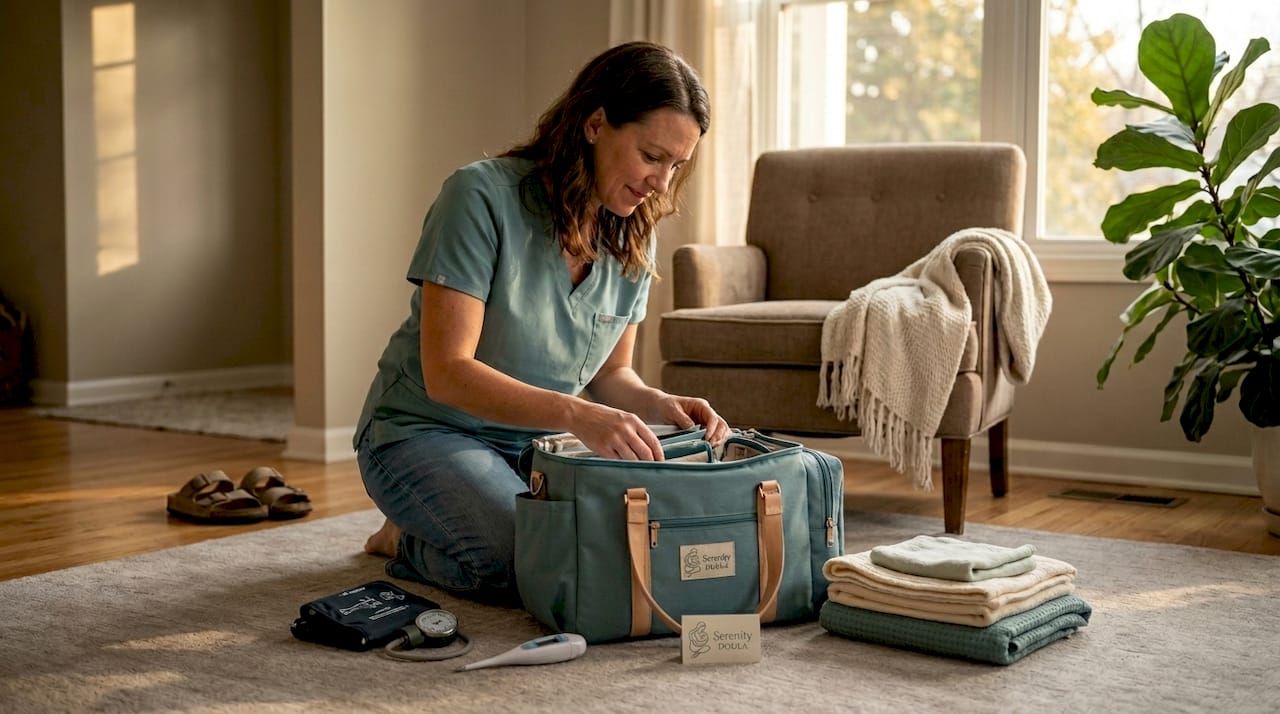
The key is preparation. A skilled midwife brings monitoring equipment, manages complications, and coordinates hospital transfer if needed. Adding a doula to your home birth team gives you continuous emotional and physical support throughout labor, which research shows reduces pain, anxiety, and labor length meaningfully.
4. Birth center experiences
Freestanding birth centers sit beautifully between home and hospital. They offer a home-like setting with midwifery-led care, tubs, freedom of movement, and no routine interventions. They are designed around the idea that labor is a natural process, not a medical emergency.
Most birth centers have clear transfer protocols to a nearby hospital if anything changes. That safety net makes them a strong choice for parents who want natural labor support without being far from medical backup.
5. Natural pain management techniques
You do not need medication to cope with labor effectively. Many parents find that a combination of techniques gives them far more control than they expected. Here are the most supported approaches:
- Breathing and vocalization. Slow, intentional breathing keeps your nervous system calmer and helps you stay present through contractions.
- Movement and positioning. Walking, swaying, kneeling, and using a birth ball can shift baby’s position and ease discomfort significantly.
- Hydrotherapy. Shower spray or immersion in a tub provides real relief, especially in active labor.
- Massage and counterpressure. A doula or partner applying firm pressure to the lower back can be remarkably effective during back labor.
- Aromatherapy. Lavender and clary sage are commonly used in birth settings to promote calm and reduce anxiety.
Pro Tip: Practice these techniques during pregnancy, not just in labor. Your body learns what calms it. Familiarity makes a real difference when contractions are intense.
6. Delayed cord clamping and other evidence-based preferences
If you are building out your birth plan ideas for 2026, delayed cord clamping deserves a spot near the top. ACOG recommends delaying clamping for 30 to 60 seconds after birth for vigorous infants. This allows more blood to transfer from the placenta to your baby, supporting better iron levels and developmental outcomes. It does not increase your risk of postpartum hemorrhage.
Specifying concrete timing in your birth plan, rather than just writing “delayed cord clamping,” reduces confusion and helps your care team act in alignment with your wishes right after birth.
7. Alternative practices: what the research actually says
Some parents explore practices like placentophagy (consuming the placenta) or lotus birth (leaving the cord attached until it falls off naturally). These fall under the umbrella of alternative natural delivery practices, and they deserve honest conversation.
Placentophagy and lotus birth carry documented infection risks with no proven clinical benefit. The CDC has linked group B strep infections to placenta capsules. Lotus births risk bacterial infection from detaching tissue. That does not mean you cannot ask questions. It means you deserve real information before deciding.
8. Comparing your natural birth options side by side
| Option | Setting | Support type | Key benefit | Risk to consider |
|---|---|---|---|---|
| Home birth | Home | Midwife, doula | Full environmental control | Requires hospital transfer plan |
| Birth center | Freestanding facility | Midwife, doula | Natural setting with protocols | Limited intervention capacity |
| Hospital natural birth | Hospital | OB, nurse, doula | Immediate medical backup | More intervention pressure possible |
| Water labor (not delivery) | Any with tub | Midwife, doula | Pain relief and mobility | Position limitations near delivery |
| Water delivery | Home or birth center | Midwife | Gentle transition for baby | Newborn infection risk |
Natural birth choices in 2026 should weigh both personal preferences and your facility’s actual capability to manage complications. The right fit depends on your health history, risk level, and how much backup you want nearby.
9. How to make a real birth plan for 2026
A birth plan is not a contract. It is a communication tool. It tells your care team what matters most to you, and it helps them support you more effectively when labor gets intense and you cannot advocate as easily for yourself.
Here is what to include:
- Preferred labor positions and whether you want freedom to move
- Who you want present in the room
- Your preferences around pain management, including which techniques to offer before medication
- Cord clamping timing (be specific: 30 to 60 seconds minimum)
- Preferences if a C-section becomes necessary
- Immediate postpartum wishes, including skin-to-skin and feeding plans
Pro Tip: Share your birth plan at least one prenatal appointment before your due date. Give your provider time to flag any concerns early, not in the delivery room.
Viewing your plan as flexible guidance rather than demands leads to better outcomes and far less frustration if things shift during labor.
10. Matching the right option to your unique situation
Not every natural birth method suits every person. Here is a quick way to think through what fits:
- Low-risk pregnancy, strong community support, comfortable with monitoring. Home birth with a licensed midwife and doula may be a great fit.
- Low to moderate risk, want a natural setting with nearby medical backup. A birth center gives you that balance.
- Higher risk factors or first-time parent wanting reassurance. Hospital natural birth with a doula keeps intervention options available without abandoning natural delivery practices.
- Partner wants to be deeply involved. Build in explicit partner roles in your birth plan and consider a doula to coach you both.
- Anxious about pain but committed to avoiding medication. Invest early in learning natural birth techniques and practice them consistently before your due date.
My honest take on natural birth in 2026
I have worked alongside so many families through their birth experiences, and the thing that surprises parents most is this: the method matters less than the support. I have seen people have profoundly empowering births in hospitals with every intervention available, and I have seen people feel unsupported and overwhelmed at planned home births. The difference was almost always the quality of continuous, present, evidence-based care they received.
What I tell every parent is to stop searching for the “perfect” natural birth option and start building a team you deeply trust. Flexibility is not a compromise. It is wisdom. When you feel genuinely supported, your body responds. Labor shortens. Anxiety drops. Satisfaction rises. That is not just my observation. Supportive care during labor produces measurable improvements in pain, anxiety, and maternal satisfaction across research trials.
Go in prepared. Go in with a plan. And hold that plan loosely.
— Alexis Wallace
Ready to feel supported through your natural birth?
At Myserenitydoula, we believe your birth experience should feel like yours. Whether you are leaning toward a home birth, a birth center, or a natural hospital birth, having a dedicated doula by your side changes what is possible. Our team provides continuous emotional and physical support from early labor through the first moments after birth.
Explore our pregnancy and birth support services to learn how a doula can complement your birth plan ideas for 2026. If you want to go deeper before your birth, our childbirth education courses cover natural pain techniques, birth plan creation, and how to communicate confidently with your care team. You do not have to figure this out alone. We are here to walk with you through every step.
FAQ
What is natural birth, exactly?
Natural birth refers to labor and delivery with little or no medical intervention, relying on the body’s own process supported by breathing, movement, positioning, and continuous support.
Is home birth safe in 2026?
Home birth is considered a safe option for low-risk pregnancies when attended by a licensed midwife with a clear hospital transfer plan in place if complications arise.
What are the best natural pain relief options during labor?
Breathing techniques, warm water immersion, massage, movement, and aromatherapy are among the most effective and widely used natural pain management methods during labor.
Should I include delayed cord clamping in my birth plan?
Yes. ACOG recommends waiting 30 to 60 seconds before clamping the cord for vigorous newborns, supporting better iron stores and developmental outcomes without added risk to the mother.
How does a doula support natural birth?
A doula provides continuous physical comfort, emotional reassurance, and communication support throughout labor. Women with doula support report shorter labors, less pain, and higher satisfaction with their birth experience.