
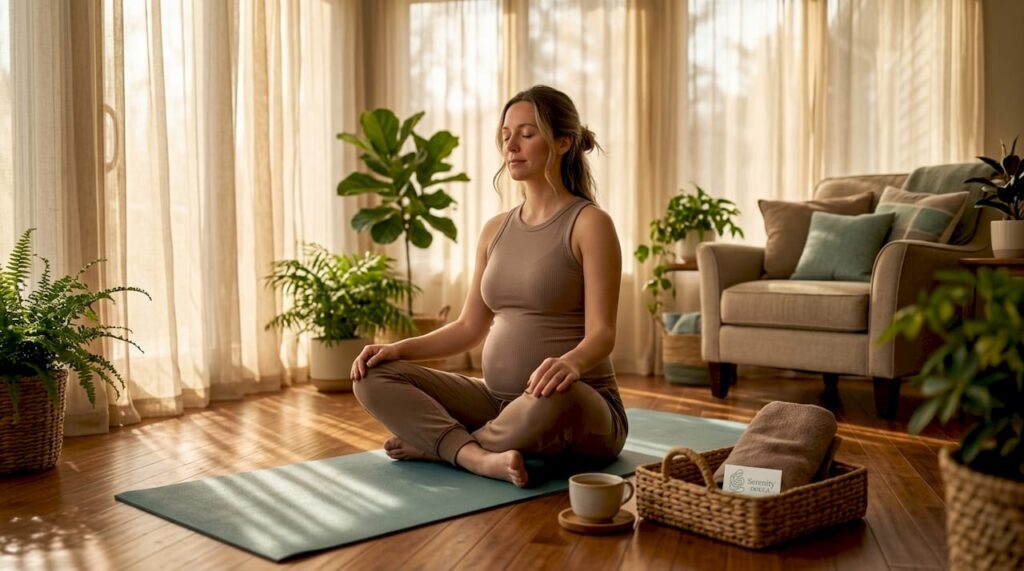
TL;DR:
- Practicing evidence-based relaxation techniques like controlled breathing, movement, and mindfulness helps reduce anxiety and pain during labor. Combining multiple methods and creating a calming environment enhances comfort and confidence as you prepare for childbirth. Support from a doula or trusted partner can improve technique effectiveness and overall birth experience.
Feeling anxious about labor is one of the most universal pregnancy experiences out there. You are not alone in wondering how you will actually manage when contractions get intense. The good news is that the top childbirth relaxation techniques, also called non-pharmacologic comfort methods in clinical settings, are evidence-based, learnable, and genuinely effective. They reduce stress hormones, soften pain perception, and help your body do what it already knows how to do. This article walks you through the methods that actually work, so you can walk into your birth feeling prepared and grounded.
Table of Contents
- Key Takeaways
- 1. Breathing techniques: the foundation of labor relaxation
- 2. Birthing ball and prenatal yoga for anxiety relief
- 3. Hydrotherapy and a calming birth environment
- 4. Mindfulness and guided imagery during labor
- 5. Comparison of childbirth relaxation methods
- My honest take on what actually makes a difference
- How Myserenitydoula can support your birth preparation
- FAQ
Key Takeaways
| Point | Details |
|---|---|
| Breathing is your foundation | Rehearsing slow, deep breathing before labor makes it automatic when contractions peak. |
| Movement reduces anxiety | Birthing ball and prenatal yoga significantly lower anxiety even when pain scores stay similar. |
| Environment shapes your experience | Lighting, music, and temperature adjustments directly support psychological comfort during labor. |
| Mental tools shift pain focus | Mindfulness and guided imagery redirect attention away from discomfort and toward calm. |
| Combination works best | Layering two or more techniques tailored to your preferences consistently yields stronger results. |
1. Breathing techniques: the foundation of labor relaxation
If there is one skill worth practicing before your due date, it is controlled breathing. Slow nasal breathing with a steady exhale through the mouth supports muscle relaxation, keeps oxygen flowing to you and your baby, and lowers the stress hormones that can stall labor. It sounds simple. Under pressure, though, breathing is usually the first thing that goes ragged.
Several breathing patterns work well for labor:
- Slow deep breathing: Inhale gently through your nose for a count of four, then exhale through your mouth for a count of six. This is your go-to rhythm for early labor.
- 4-7-8 breathing: Inhale for four counts, hold for seven, exhale for eight. This pattern activates your parasympathetic nervous system quickly, which is useful when anxiety spikes.
- Box breathing: Inhale for four, hold for four, exhale for four, hold for four. Structured and easy for a support person to count aloud with you.
Rehearsing these patterns prenatally matters more than most people realize. When pain increases, your cognitive load spikes and you need coping skills that feel automatic, not brand new.
Pro Tip: Practice your chosen breathing pattern daily during the third trimester so your body memorizes the rhythm. Your partner or doula can cue it during contractions by counting softly or breathing with you.
2. Birthing ball and prenatal yoga for anxiety relief
Movement is medicine in labor. Two of the most accessible natural birth calming strategies are birthing ball exercises and prenatal yoga, and the research backs them up. A 2026 study with 50 mothers found that combining both methods produced significant anxiety reduction, even though pain scores and labor duration were not dramatically changed. That finding matters because anxiety is a real and often overlooked birth outcome.
Here is what each approach offers:
- Birthing ball: Gentle hip circles, rocking, and pelvic tilts on the ball encourage optimal fetal positioning, release tension in the lower back, and give your body something productive to do during contractions.
- Prenatal yoga: Poses like child’s pose, cat-cow, and supported squat build the hip flexibility and breath awareness you need for labor. Prenatal yoga also lowers stress hormones and trains your nervous system to find calm under physical demand.
Both are safe to start in the second trimester with guidance from your care provider. They work especially well as complements to your breathing practice.
3. Hydrotherapy and a calming birth environment
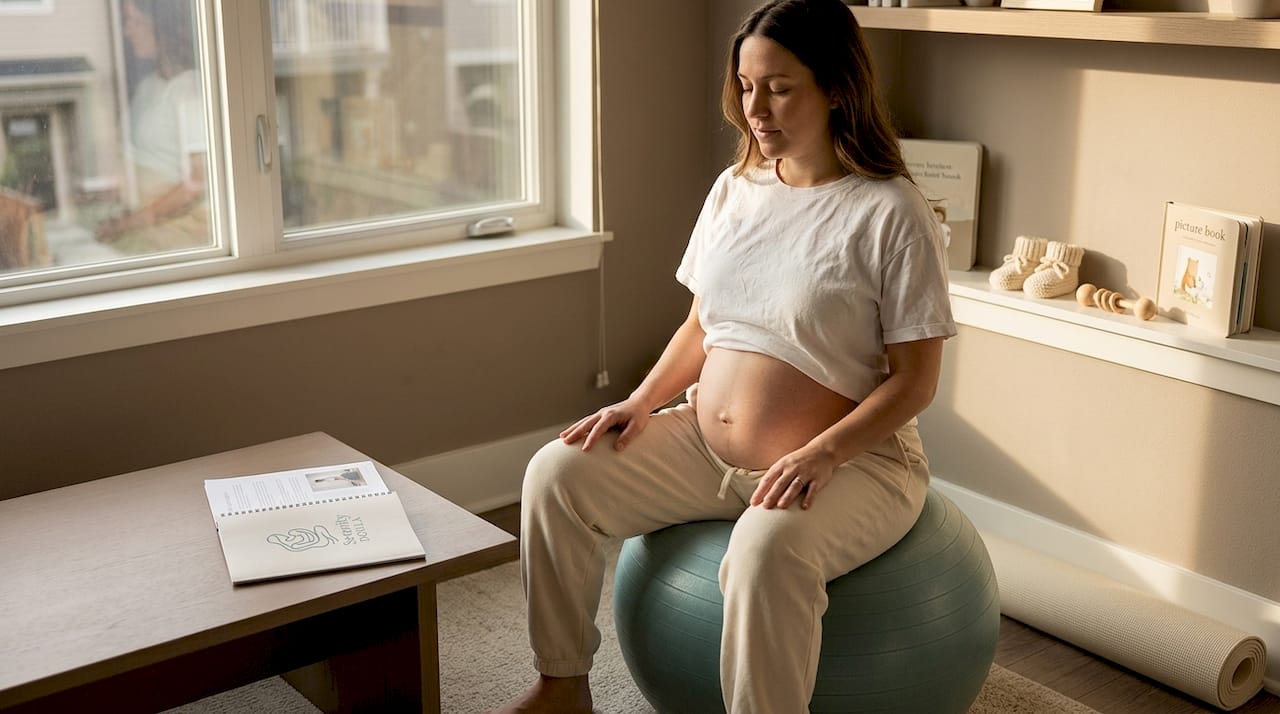
Water is one of the oldest effective labor relaxation tips, and clinical evidence keeps confirming why. A study of 314 women found that water birth combined with five-element music therapy produced lower pain scores, shorter labor, less postpartum blood loss, and higher Apgar scores compared to standard care. Even a warm bath or shower during early labor can take the edge off contractions meaningfully.
Beyond water, your physical environment shapes how safe and calm your nervous system feels. Simple adjustments like dimming the lights, playing familiar music, and bringing your own pillow from home signal to your brain that you are in a place of safety rather than threat.
Pro Tip: Build a short “comfort kit” for your birth bag: a curated playlist, a battery-operated candle or dim nightlight, an essential oil roller in a scent you love, and one familiar item from home. Small sensory anchors make hospital rooms feel much more personal.
4. Mindfulness and guided imagery during labor
Mindfulness for childbirth is not about achieving a zen state in the middle of a contraction. It is about training your attention so you can redirect it. Instead of bracing against pain, mindfulness teaches you to observe a sensation, breathe into it, and let it pass without layering on fear. Guided imagery and mindfulness shift the brain’s focus away from discomfort and toward calm mental imagery, which genuinely changes how pain registers.
Practical ways to build this skill before labor:
- Listen to a guided relaxation recording for ten minutes each night during the third trimester.
- Visualize your cervix softening and opening during practice contractions or Braxton Hicks.
- Use a grounding phrase, sometimes called a birth affirmation, to return your focus when anxiety rises.
Continuous emotional support deepens the effect. A doula or engaged partner who speaks calmly, maintains eye contact, and breathes with you creates an anchor that mental techniques alone cannot replicate. Continuous support during labor has been shown to improve outcomes and satisfaction across birth types.
5. Comparison of childbirth relaxation methods
Choosing what fits you matters more than choosing the “best” technique in the abstract. This table gives you a clear side-by-side look at the most studied methods.
| Technique | Primary benefit | Ease of use | Setting | Support needed |
|---|---|---|---|---|
| Controlled breathing | Reduces stress and pain | High | Home or hospital | Partner or doula can cue |
| Birthing ball and yoga | Lowers anxiety, improves positioning | Moderate | Home or hospital | Light guidance helpful |
| Hydrotherapy | Pain relief, shorter labor | Moderate | Hospital or home birth | Care provider approval |
| Music therapy | Psychological comfort | High | Any setting | None required |
| Mindfulness and guided imagery | Shifts pain focus, reduces anxiety | Moderate | Any setting | Prenatal practice needed |
Most people find that layering two or three methods, for example breathing plus a birthing ball plus a calming playlist, works far better than relying on any single approach. Build your combination before labor starts so it feels familiar, not improvised.
My honest take on what actually makes a difference
I have seen a lot of birthing parents walk into labor with a long list of techniques and freeze when contractions hit. Here is what I have learned. Breathing rehearsal is the single most empowering thing you can do before labor, not because it eliminates pain, but because rehearsed skills stay accessible even when everything else feels overwhelming.
What I have also seen is that the emotional environment of labor changes everything. A calm, steady presence next to you, whether that is a partner, doula, or trusted support person, makes techniques land differently. The same breathing pattern feels manageable with someone breathing alongside you and nearly impossible when you feel alone.
The other thing worth saying directly: there is no one right way to relax in labor. I have seen people birth calmly with nothing but music and a bath. I have seen others need every tool in the kit. Your combination is personal. Give yourself permission to experiment prenatally and to adjust in the moment. The goal is not perfection. It is feeling grounded enough to move through each contraction with less fear.
— Alexis Wallace
How Myserenitydoula can support your birth preparation
You deserve to walk into labor knowing your relaxation tools inside and out, and having someone in your corner who knows how to help you use them in real time. At Myserenitydoula, our birth support services connect you with a doula who provides continuous encouragement, real-time breathing cues, and physical comfort measures through every stage of labor.
Our childbirth education programs also teach you how to practice these techniques prenatally so they feel natural and automatic on your birth day. From your first prenatal consultation to your final postpartum visit, we are here to make sure you never feel like you are carrying this alone. Reach out to schedule a free consultation and find out how personalized doula support can transform your birth experience.
FAQ
What are the most effective ways to relax during labor?
Controlled breathing, mindfulness, warm water immersion, and continuous support from a doula or partner are among the most researched and effective options. Combining two or more methods consistently outperforms using any single technique alone.
How early should I start practicing relaxation techniques?
Starting in the second trimester gives you the most time to build familiarity. Rehearsing techniques before labor reduces cognitive load during contractions, so the skills activate naturally when you need them most.
Can breathing really help with contraction pain?
Yes. Slow, deep breathing supports muscle relaxation, improves oxygenation, and lowers cortisol levels, all of which reduce how intensely your brain registers pain. It works best when it has been practiced regularly before labor begins.
Does a birthing ball actually reduce anxiety in labor?
Research shows that birthing ball plus yoga significantly reduces maternal anxiety during labor. It may not shorten labor or eliminate pain scores, but anxiety relief is a meaningful and often undervalued benefit on its own.
Do I need a doula to use these techniques effectively?
No, but having one helps. A doula provides real-time cues, models breathing with you, and offers calm emotional reassurance that makes relaxation techniques easier to access during intense contractions. Learn more about what a doula provides if you are considering adding one to your birth team.