TL;DR:
- Postpartum recovery involves physical healing, emotional wellbeing, social support, and professional guidance.
- Tailored support, including doulas and special supplies, is crucial for complex situations like C-sections or multiples.
- Building a support network and planning ahead are key to thriving beyond basic survival postpartum.
You just brought a new life into the world, and now you’re home, exhausted, sore, and surrounded by more advice than you can possibly sort through. Most postpartum checklists focus on diapers and onesies, but real recovery goes much deeper. This guide cuts through the noise to give Pennsylvania mothers a clear, evidence-based roadmap covering physical healing, emotional wellbeing, and the kind of personalized professional support that actually makes a difference. Whether you had a vaginal birth or a cesarean, you deserve more than survival mode.
Table of Contents
- Defining postpartum recovery essentials: What matters most
- Physical essentials: Healing, nourishment, and rest
- Emotional and mental health essentials: Prioritizing your wellbeing
- The power of doula and professional support: Personalized recovery for Pennsylvania moms
- Tailoring your essentials: Special situations and local resources
- Beyond the checklist: What really makes postpartum recovery thrive
- Ready to thrive? Get holistic postpartum recovery support
- Frequently asked questions
Key Takeaways
| Point | Details |
|---|---|
| Holistic essentials matter | Recovery is fastest and most complete with both physical and emotional essentials. |
| Doula support offers strong benefits | Mothers with doula support are less likely to need C-sections or experience postpartum depression. |
| Customize for your needs | Your ideal recovery plan is flexible—special cases like C-section or multiples need tailored support. |
| Mental health is critical | Prioritizing mental health reduces risks and improves well-being for both mom and baby. |
| Leverage local resources | Pennsylvania mothers have unique support networks and professional doulas available to help. |
Defining postpartum recovery essentials: What matters most
Recovery is not a single event. It’s a layered process that unfolds over weeks and months, touching every part of your life. Before you build your recovery plan, it helps to understand what “essential” actually means in this context.
True postpartum recovery involves:
- Physical healing: wound care, pain management, rest, nutrition, and gradual movement
- Emotional wellbeing: processing the birth experience, managing anxiety, and preventing depression
- Social support: having people around you who can help without judgment
- Professional guidance: doulas, lactation consultants, and mental health providers
- Culturally relevant care: practices that honor your background and values
Here in Pennsylvania, access to these resources varies widely. Mothers in Philadelphia and Pittsburgh have more immediate access to hospital-based support, while rural communities often face gaps. Setting realistic, evidence-based expectations before birth is one of the most protective things you can do.
“Mental health is a key factor in over 40% of pregnancy-associated deaths in Philadelphia.” This statistic is sobering, and it underscores why emotional recovery is not optional.
Building your postpartum care plan before your due date gives you a head start on identifying gaps and lining up the right people. Think of it as your recovery blueprint, not just a to-do list.
You can also explore self-care tips for recovery to start building habits that support healing from day one.
Pro Tip: Start planning recovery essentials before birth. The last thing you want to figure out at 3 a.m. with a newborn is where to find a lactation consultant.
Physical essentials: Healing, nourishment, and rest
With foundational criteria established, let’s explore the vital physical components every Pennsylvania mom should have.
Your body just did something extraordinary. Whether you delivered vaginally or via cesarean, the physical demands of recovery are real and specific. Here’s what you actually need.
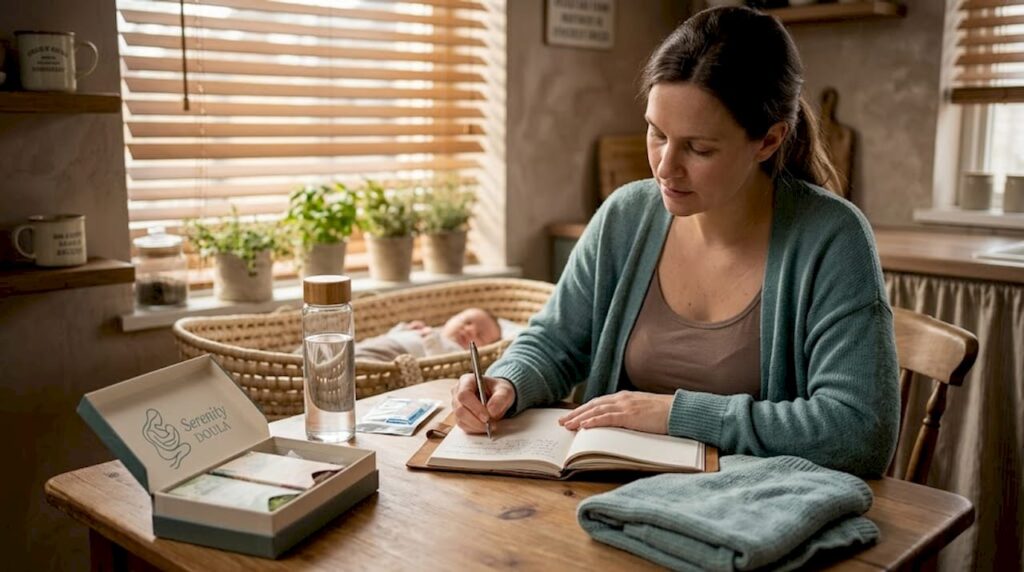
Core physical recovery items:
- Peri bottle for gentle cleansing after vaginal birth
- Maternity pads (heavy flow for the first week)
- Ice packs or cooling pads for perineal soreness
- Mesh underwear (provided by hospitals, but stock up)
- Wound care supplies for C-section incisions
- Stool softeners to ease the first bowel movements
- Nipple cream and nursing pads for breastfeeding support
- Hydration station: large water bottle, electrolyte drinks
Vaginal and cesarean recoveries have meaningfully different timelines and needs. C-section recovery involves week-by-week wound care, careful pain management, and significant emotional processing that many mothers don’t anticipate. Mobility is limited in the first two weeks, which means you need your environment set up before you arrive home.
| Recovery aspect | Vaginal birth | Cesarean birth |
|---|---|---|
| Typical healing timeline | 4 to 6 weeks | 6 to 8 weeks minimum |
| Key physical concern | Perineal soreness, bleeding | Incision care, limited mobility |
| Movement guidance | Gentle walks from day one | Restricted lifting for 6+ weeks |
| Breastfeeding initiation | 85.5% in Pennsylvania | 82.7% in Pennsylvania |
Nutrition is often the most underestimated recovery tool. Your body needs protein, iron, healthy fats, and complex carbohydrates to rebuild tissue, regulate hormones, and sustain milk production. Many mothers benefit from nutritional supplements for recovery, including iron, omega-3s, and a continued prenatal vitamin.
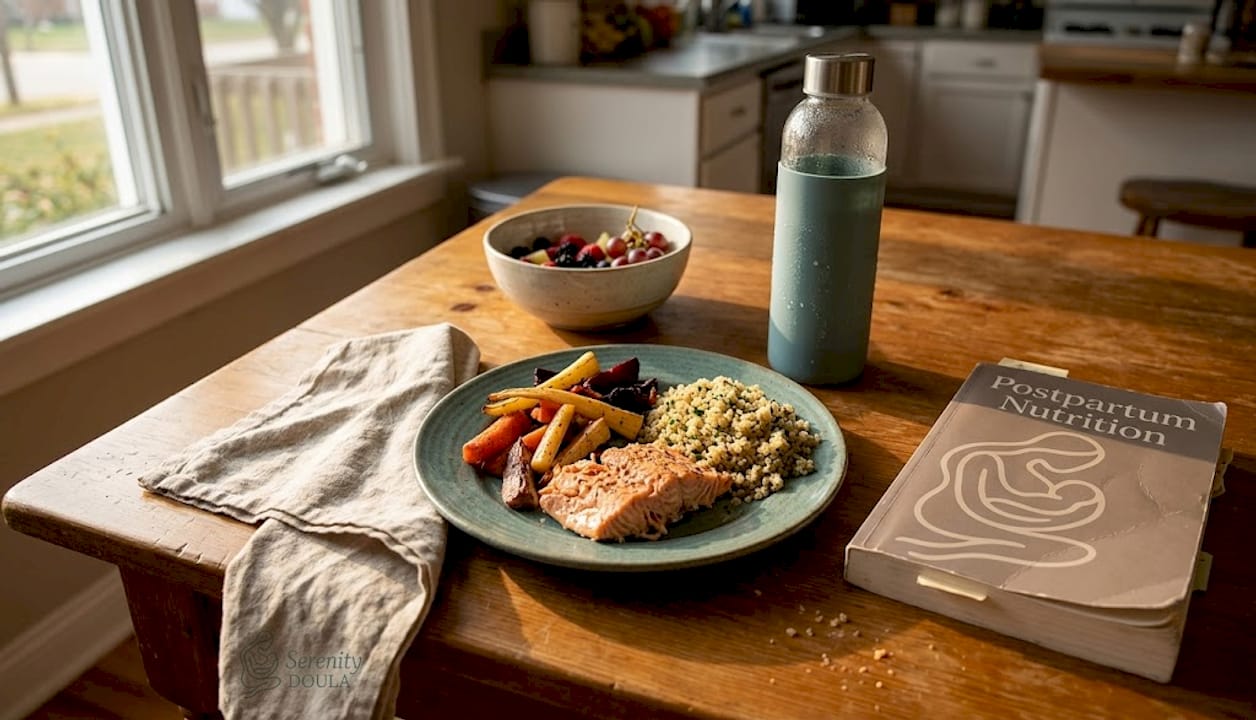
Herbal support is another layer worth exploring. Our postpartum herbs guide covers evidence-informed options like red raspberry leaf and fenugreek that can complement your physical recovery naturally.
Pro Tip: Batch-prepare meals, snacks, and hydration stations before your due date. Enlist your partner, family, or a meal train from friends. Nourishment should never be an afterthought.
Emotional and mental health essentials: Prioritizing your wellbeing
Physical comfort is just one piece. Mental and emotional health deserve equal focus for true recovery.
The “baby blues” affect up to 80% of new mothers and typically resolve within two weeks. But postpartum depression (PPD) and postpartum anxiety (PPA) are different. They persist, intensify, and can significantly affect your ability to care for yourself and your baby. Knowing the warning signs matters.
Signs to watch for:
- Persistent sadness or crying that doesn’t lift after two weeks
- Difficulty bonding with your baby
- Intrusive or frightening thoughts
- Extreme irritability or rage
- Sleep problems that go beyond newborn wake-ups
- Feeling disconnected from reality or from yourself
Mental health is a key factor in more than 40% of pregnancy-associated deaths in Philadelphia. This is not a statistic to gloss over. It’s a call to take your emotional recovery as seriously as your physical one.
Professional doulas play a meaningful role here. Research shows that doula care is associated with 57.5% lower odds of postpartum depression and anxiety. A doula isn’t a therapist, but she’s trained to notice when something feels off and to connect you with the right resources quickly.
“Having someone who checks in on you without an agenda, who sees the whole picture of your recovery, can be the difference between catching a mental health concern early and struggling alone for months.”
Building your emotional support village looks like this:
- A trusted friend or family member for daily check-ins
- A postpartum doula for professional, non-judgmental support
- A therapist or counselor who specializes in perinatal mental health
- Peer support groups (many available via telehealth in Pennsylvania)
- Your OB or midwife for clinical monitoring
Explore mental health coping skills to build a toolkit of strategies you can use in real time, from grounding exercises to breathing techniques.
Our resource on prenatal emotional support also offers guidance on building emotional resilience before birth, which carries directly into your postpartum experience.
Pro Tip: Schedule a daily check-in with a non-judgmental friend, doula, or partner. Even a five-minute conversation can help you notice emotional shifts before they become overwhelming.
The power of doula and professional support: Personalized recovery for Pennsylvania moms
Emotional health is best protected with support. Let’s compare professional roles and how they serve new Pennsylvania mothers.
Not all professional support is the same. Understanding who does what helps you build the right team for your specific needs.
Doula vs. midwife: Key differences
| Role | Primary focus | When they shine most |
|---|---|---|
| Certified doula (DONA, CAPPA) | Emotional, physical, and informational support | Throughout labor, birth, and postpartum |
| Midwife | Clinical care, medical monitoring | Prenatal care, labor management, delivery |
| Postpartum doula | Recovery support, newborn care education | First days and weeks at home |
Research shows that doula care is associated with 52.9% lower odds of cesarean birth, increased breastfeeding rates, and higher rates of vaginal births after cesarean. These are not small numbers. They represent real outcomes for real families.
That said, a private midwife may outperform a doula for natural birth rates specifically, with figures of 80.9% versus 65.7%. The takeaway is that these roles complement each other rather than compete. Many Pennsylvania mothers benefit from having both.
Certification matters when choosing a doula. DONA International and CAPPA (Childbirth and Postpartum Professional Association) are the two most recognized certifying bodies. Certified doulas have completed formal training, attended births, and demonstrated competency in supporting families through complex situations, including mental health concerns and high-risk deliveries.
What to look for in a Pennsylvania doula:
- DONA or CAPPA certification
- Experience with your specific birth type (vaginal, cesarean, VBAC)
- Familiarity with local hospitals and birth centers
- Clear approach to postpartum planning and mental health awareness
- Transparent pricing and availability for postpartum visits
Learn more about what a doula does and explore our detailed doula vs. midwife comparison to understand how these roles work together. You can also review the full range of types of childbirth support available to Pennsylvania families.
Pro Tip: When interviewing a doula, ask directly: “How do you approach postpartum planning, and what mental health red flags do you watch for?” Her answer will tell you a lot about her depth of training and her commitment to your full recovery.
Tailoring your essentials: Special situations and local resources
Not all recoveries fit the mold. For unique circumstances, here’s how to personalize your plan.
Some situations require a more intensive, customized approach. If any of the following apply to you, your recovery plan needs extra layers of support built in.
- Cesarean birth: Incision care, restricted mobility, and longer healing timelines require specific supplies and in-home help. C-section recovery is more intensive than many mothers expect, and access to wrap-around support makes a measurable difference.
- Multiple births (twins, triplets): Feeding, sleep deprivation, and physical recovery compound quickly. You need more hands, not just more supplies.
- Preterm birth: NICU stays add emotional strain and disrupt the typical bonding and recovery timeline. Specialized support is essential.
- Single parenting: Without a partner at home, building a reliable village of helpers and professionals is non-negotiable.
- Mental health history: Previous depression, anxiety, or trauma increases your risk for PPD and PPA. Early intervention is your best protection.
| Situation | Key additional support needed | Recommended resource |
|---|---|---|
| C-section recovery | Wound care supplies, mobility aids, extra help at home | Postpartum doula, OB follow-up |
| Multiples | Double feeding support, sleep strategy, peer groups | Lactation consultant, doula |
| Preterm birth | NICU family support, mental health counseling | Hospital social worker, therapist |
| Rural Pennsylvania | Telehealth access, virtual doula support | Online doula services, telehealth platforms |
| Mental health history | Early screening, doula support, therapist on standby | Perinatal mental health specialist |
For rural Pennsylvania mothers especially, telehealth has become a genuine lifeline. Virtual doula check-ins, online peer support groups, and telehealth therapy sessions make quality care accessible even when you’re hours from a major city.
Explore our full range of postpartum care services to find options that fit your situation. You can also review this home recovery environment guide for practical tips on setting up your space before you arrive home.
Pro Tip: Keep an editable digital list of your customized recovery essentials. Your needs will shift week by week, and having a flexible, living document helps you stay ahead of what’s coming next.
Beyond the checklist: What really makes postpartum recovery thrive
Most postpartum checklists are built around products. Peri bottles, nipple cream, mesh underwear. These things matter, and we’ve covered them. But here’s what we’ve seen again and again in supporting Pennsylvania families: the mothers who thrive are not the ones with the most supplies. They’re the ones who feel seen.
Standard checklists almost never mention the moment when a doula notices you haven’t eaten since yesterday and quietly makes you a plate. They don’t capture the relief of having someone validate that what you’re feeling is real and that you’re not failing. They skip over the fact that a five-minute conversation with someone who genuinely cares can shift your entire day.
Community and validation are not soft extras. They are core recovery tools. Research on doula care benefits consistently shows that emotional and social support produces measurable physical outcomes, including lower rates of depression, better breastfeeding success, and faster overall recovery.
Our honest take is this: invest as much in your support network as you do in your physical supplies. A well-stocked recovery kit sitting in a house where you feel alone will not carry you through the hard days. But a trusted doula, a reliable friend, and a plan for your mental health? That combination is what moves recovery from surviving to genuinely thriving.
Ready to thrive? Get holistic postpartum recovery support
You’ve done the reading. You understand the layers of recovery, the warning signs, the products, and the professional roles. Now the question is: who’s going to be in your corner when you actually need it?
At Serenity Doula, we specialize in holistic, personalized pregnancy and birth support designed specifically for Pennsylvania families. Our certified doulas bring evidence-based knowledge and genuine compassion to every stage of your journey, from prenatal planning through those tender first weeks at home. Whether you’re navigating a straightforward recovery or a more complex situation, we meet you exactly where you are. Learn more about what a doula does and reach out to schedule your personalized postpartum essentials consultation. You don’t have to carry this alone.
Frequently asked questions
What is the most important item for postpartum recovery in Pennsylvania?
A well-rounded recovery plan that addresses both physical essentials and emotional support is the most protective foundation for thriving after birth. No single product replaces a solid plan.
How does a doula help with postpartum recovery?
Doula care is associated with lower odds of postpartum depression, fewer cesarean births, and higher breastfeeding rates, making professional doula support one of the most evidence-backed recovery tools available.
What are common postpartum mental health warning signs?
Signs include persistent sadness lasting beyond two weeks, trouble bonding with your baby, sleep issues beyond normal newborn care, and intrusive thoughts. Mental health is a factor in over 40% of pregnancy-associated deaths in Philadelphia, so early recognition matters.
Are special essentials needed for C-section recovery?
Yes. C-section recovery involves specialized wound care, restricted mobility for several weeks, and significant emotional processing that requires targeted supplies and additional in-home support.
Where can Pennsylvania moms find local postpartum support?
Certified doula services, hospital-based lactation consultants, perinatal mental health therapists, and telehealth platforms all provide accessible recovery support across Pennsylvania, including rural communities.