

TL;DR:
- A parenthood preparation checklist guides first-time parents through prenatal, postpartum, financial, and emotional tasks before birth. Starting early, ideally between weeks 14 and 20, ensures enough time for essential planning and logistics.
A parenthood preparation checklist is the essential roadmap that helps first-time parents move from anxious anticipation to grounded confidence before their baby arrives. Covering everything from prenatal appointments and newborn essentials to financial planning and postpartum support, a thorough checklist addresses the physical, emotional, and logistical needs of your growing family. The American College of Obstetricians and Gynecologists (ACOG), the American Academy of Pediatrics (AAP), and the Family and Medical Leave Act each provide frameworks that shape what responsible preparation looks like in 2026. Serenity Doula has guided Bucks County families through this process for over a decade, and the steps below reflect what actually works.
1. What essential tasks should first-time parents complete before birth?
Starting preparations between weeks 14 and 20 of pregnancy gives you time to handle logistics without the physical strain of late pregnancy. Waiting until the third trimester means making big decisions when you are exhausted and short on time.
Here are the core pre-birth tasks to complete:
- Schedule all prenatal visits and confirm your provider’s on-call policy for labor
- Enroll in childbirth and breastfeeding classes as early as the second trimester
- Pre-register at your hospital so paperwork is done before contractions start
- Select a pediatrician before your due date; the AAP recommends having one in place before hospital discharge
- Assemble newborn essentials: onesies in newborn and 0–3 month sizes, diapers, wipes, feeding supplies, and a safe sleep space that meets current AAP guidelines
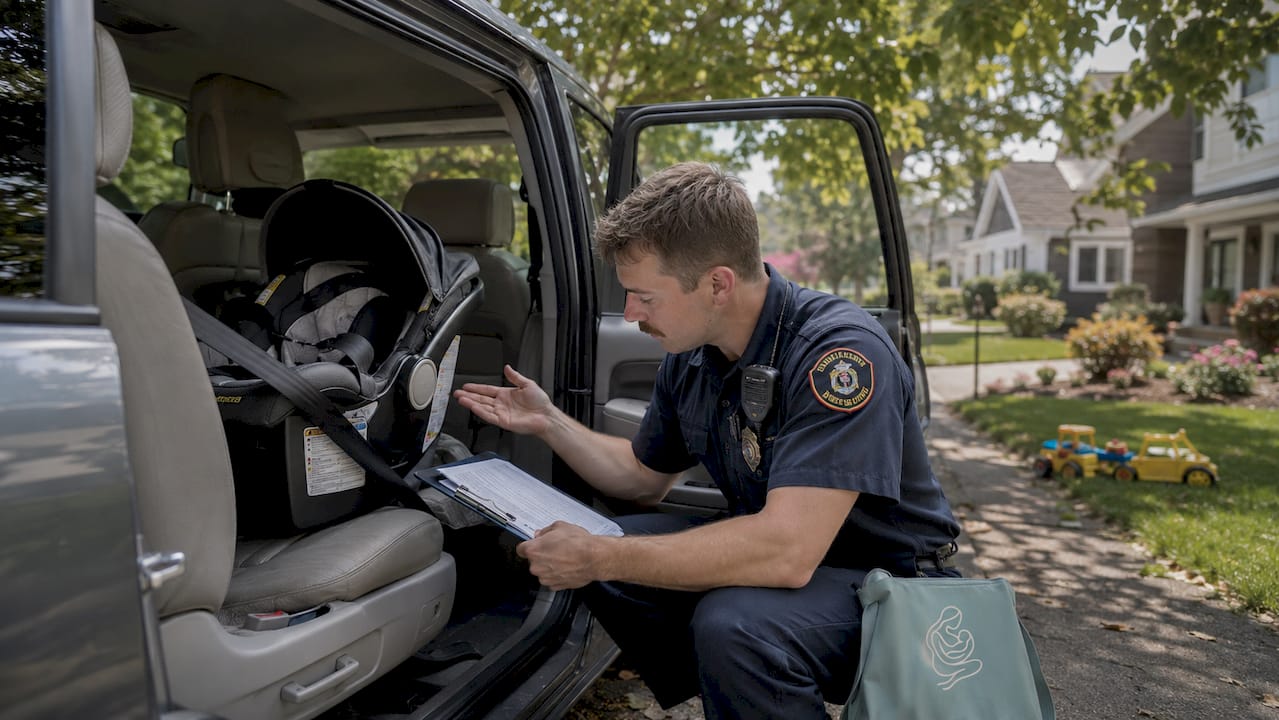
- Install your car seat and have it checked by a certified technician by week 36 of pregnancy
- Create a birth plan that communicates your preferences for pain management, interventions, and support people
Bucks County parents can find certified car seat inspection stations through local fire departments in Newtown and Doylestown. Trinity Health St. Mary also offers prenatal registration services directly through their maternity unit.
Pro Tip: Hospitals supply newborn essentials during your stay, so pack your hospital bag for your own comfort. Shower shoes, a lip balm, your own pillow, and a phone charger matter far more than extra baby outfits.
2. How can parents prepare for postpartum recovery and support?
Postpartum planning is as vital as birth preparation. ACOG recommends a postpartum checkup within the first three weeks of delivery, and the AAP advises a newborn visit within the first few days of coming home. Scheduling these appointments before your due date removes one more task from a very full first week.
About 1 in 7 women experience postpartum depression. That statistic means identifying a mental health provider who specializes in perinatal mood disorders before birth is not optional preparation. It is smart preparation.
Key postpartum planning steps:
- Set up a recovery space at home stocked with peri bottles, stool softeners, nursing pads, and easy snacks
- Organize a meal train using friends, family, or a meal delivery service for the first two to four weeks
- Assign specific household tasks to specific people. Pre-assigning household responsibilities reduces postpartum stress and lowers the risk of depression
- Identify warning signs of postpartum depression and share them with your partner and support network
- Research postpartum doula support for overnight help, newborn care guidance, and emotional check-ins
The “fourth trimester” is a real and often underestimated recovery period. Your body and mind need structured support, not just good intentions from people who say they will help.
Pro Tip: Making postpartum decisions before birth, such as who handles night shifts and who manages laundry, removes the mental load during recovery when your capacity is lowest. Write it down and share it with everyone involved.
For a detailed framework, the Serenity Doula guide on creating a postpartum care plan walks you through every step.
3. What financial planning steps are crucial for welcoming a baby?
Financial preparation works best when started in the second trimester. Administrative tasks like insurance updates, parental leave applications, and childcare research take longer than most parents expect.
| Financial Task | When to Act | Key Detail |
|---|---|---|
| Review maternity coverage | First trimester | Confirm deductibles, hospital network, and newborn add-on rules |
| Apply for FMLA leave | By week 20 | 12 weeks of unpaid, job-protected leave for eligible employees |
| Build a post-baby budget | Second trimester | Include diapers, formula or nursing supplies, and childcare costs |
| Claim Child Tax Credit | Tax season | Up to $2,000 per child under 17 in 2026 |
| Claim dependent care credit | Tax season | 20–35% of qualifying childcare expenses; FSA up to $5,000 per household |
| Register birth certificate | Within days of birth | Bucks County fees are approximately $12 per certified copy |
The Child Tax Credit and the Child and Dependent Care Tax Credit together represent meaningful savings for new families. Ask your tax preparer about eligibility thresholds before the end of the year your baby is born.
Notify your health insurance provider as soon as your baby arrives. Most plans require adding a newborn within 30 days of birth to avoid a coverage gap.
4. How can expectant parents build confidence through education and emotional readiness?
Childbirth education classes significantly increase parental confidence and breastfeeding success. Parents who complete prenatal education report feeling calmer and more prepared during labor, and they ask better questions of their care team.
A birth plan is a communication tool, not a contract. Cleveland Clinic experts describe birth plans as a way to align expectations with your care team while staying flexible when medical circumstances change. The goal is a shared understanding, not a rigid script.
Key steps for building emotional readiness:
- Enroll in a childbirth education course covering labor stages, pain management options, and cesarean birth
- Take a breastfeeding class before your due date so you are not learning under pressure in the hospital
- Discuss your birth plan with your OB or midwife at least one prenatal visit before your due date
- Identify your emotional support team including a partner, doula, or trusted family member for labor
- Research perinatal mental health resources in Bucks County before you need them
“A birth plan should flexibly communicate preferences to healthcare providers to align treatments and adapt to medical changes. The plan is for you and your team, not against the unexpected.”
— Cleveland Clinic
Serenity Doula offers prenatal emotional support and childbirth education designed specifically for first-time parents in Bucks County. Classes cover everything from pain management techniques to newborn care basics, so you walk into the hospital feeling seen and prepared.
Key takeaways
A thorough parenthood preparation checklist covers prenatal logistics, postpartum planning, financial steps, and emotional readiness, and starting before week 20 of pregnancy gives every task the time it needs.
| Point | Details |
|---|---|
| Start early | Begin administrative and logistical tasks between weeks 14 and 20 of pregnancy. |
| Plan postpartum now | Schedule checkups, assign household tasks, and identify mental health support before birth. |
| Know your financial benefits | Claim the Child Tax Credit and dependent care credit; apply for FMLA leave mid-pregnancy. |
| Pack smart for the hospital | Focus your hospital bag on personal comfort; hospitals supply newborn essentials during your stay. |
| Use education to reduce fear | Childbirth classes and a flexible birth plan build confidence and improve communication with your care team. |
What I have learned from a decade of supporting Bucks County families
First-time parents spend enormous energy on the birth plan and almost no energy on what happens the week after they come home. I have sat with families in Newtown and Doylestown who had a perfectly organized nursery and no plan for who was bringing dinner on day three. That gap is where the real stress lives.
The parents I see thrive are the ones who treat postpartum planning with the same seriousness as birth preparation. They have named a person for night shifts. They have a mental health provider’s number saved in their phone. They have asked for help before they needed it, because asking for help is not a sign of struggle. It is the most practical thing a new parent can do.
Education matters too. Every family I have worked with who completed a childbirth class walked into labor calmer and more grounded. They knew what questions to ask. They felt less alone. That confidence does not come from reading a list. It comes from preparation that includes the emotional side, not just the logistical one. You deserve both.
— Alexis Wallace
Serenity Doula is here for every step of your preparation
Preparing for a new baby is a lot to hold. Serenity Doula offers high-touch, evidence-based support for Bucks County families from the first prenatal visit through the postpartum weeks.
Whether you need birth and pregnancy support from an experienced doula, a childbirth education class that covers every birth scenario, or a postpartum care plan built around your real life, Serenity Doula meets you where you are. Families across Bucks County, from Newtown to Doylestown, trust Serenity Doula for personalized, compassionate care. You can also review important doula considerations to understand what to look for in your support team. Schedule a free consultation today and walk into parenthood feeling ready.
FAQ
What is a parenthood preparation checklist?
A parenthood preparation checklist is a step-by-step guide covering prenatal appointments, newborn essentials, financial planning, and postpartum support. It helps first-time parents organize every major task before and after birth.
When should I start preparing for my baby’s arrival?
Start administrative and logistical preparations between weeks 14 and 20 of pregnancy, and finalize critical items like car seat installation by week 36.
What should I pack in my hospital bag?
Focus on personal comfort items like shower shoes, hygiene products, and a phone charger. Hospitals supply newborn essentials during your stay, so you only need to pack your baby’s going-home outfit.
How common is postpartum depression?
About 1 in 7 women experience postpartum depression. Identifying a perinatal mental health provider before birth and assigning household support roles in advance both reduce your risk.
Does FMLA cover parental leave for new parents?
The Family and Medical Leave Act provides 12 weeks of unpaid, job-protected leave for eligible employees. Check your eligibility with your HR department during the second trimester so your plan is in place before your due date.