

TL;DR:
- Most pregnant women underconsume vegetables, grains, and dairy, but a practical, varied approach can bridge the gaps.
- Building each meal around whole grains, protein, vegetables, fruit, and dairy supports fetal development and maternal health.
- Emotional support and realistic expectations are key, as perfect diet adherence is less important than overall consistency and wellbeing.
Many moms-to-be reach the second trimester feeling a mix of relief and quiet worry. The nausea may have eased, your bump is growing, and suddenly everything feels very real. You want to do right by your baby, but figuring out exactly what to eat, and how much, can feel genuinely overwhelming. The good news? You don’t need a perfect diet to nourish a healthy pregnancy. Research shows that most pregnant women underconsume vegetables, whole grains, and dairy, but a clear, practical approach makes it easy to close those gaps and feel confident at every meal.
Table of Contents
- What your body and baby need in the second trimester
- Step-by-step: Building your ideal second trimester plate
- Troubleshooting: Overcoming common second trimester nutrition mistakes
- How to verify you’re meeting your nutritional goals
- Second trimester nutrition: What most guides don’t tell you
- Ready for support on your nutrition journey?
- Frequently asked questions
Key Takeaways
| Point | Details |
|---|---|
| Balance is key | Aim for a colorful plate at each meal to cover your nutritional bases efficiently. |
| Whole grains matter | Boosting whole grain intake supports healthy weight gain and keeps energy steady in the second trimester. |
| Monitor and adapt | Track your intake and watch for changes in energy levels to adjust as you go. |
| Support is available | Leverage professionals and communities to answer questions and help you stay on track. |
What your body and baby need in the second trimester
With the high stakes of fetal development in mind, let’s break down the core nutrition building blocks you’ll need for this trimester.
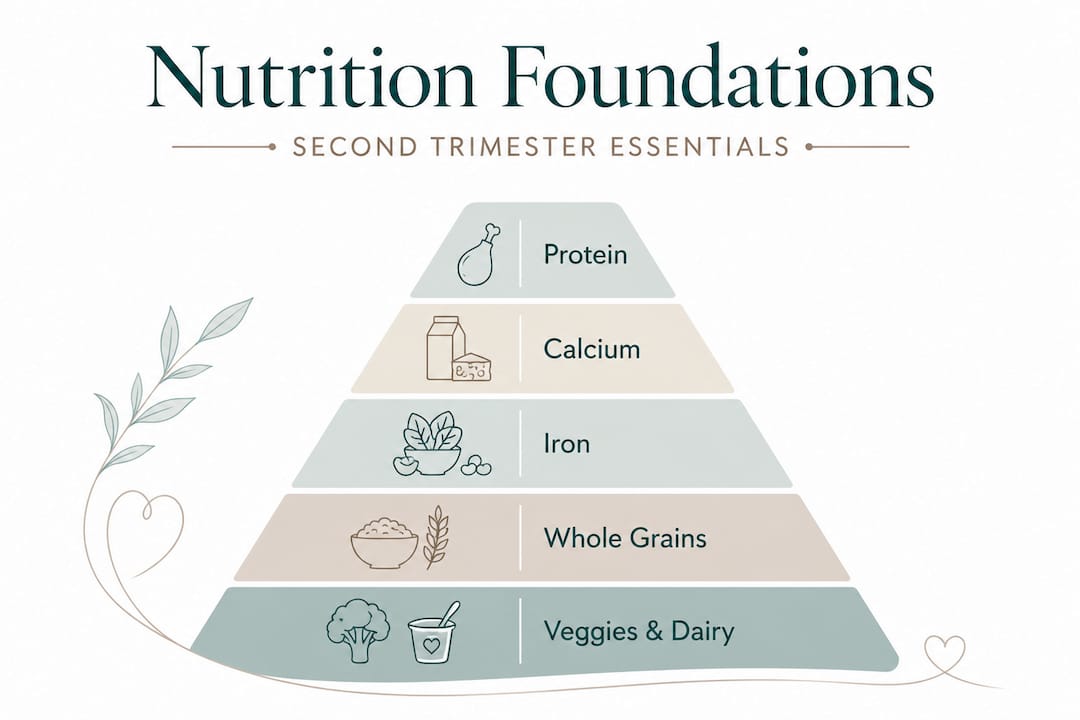
Your second trimester, weeks 13 through 27, is when your baby’s bones are hardening, the brain is growing rapidly, and organs are maturing fast. Your blood volume is also expanding, your uterus is stretching, and your energy demands are climbing. What you eat directly fuels all of it.
Here’s a look at the key nutrients your body is calling for right now:
| Nutrient | Why it matters | Where to find it |
|---|---|---|
| Protein | Builds baby’s tissues and muscles | Chicken, eggs, legumes, Greek yogurt |
| Calcium | Supports bone and tooth development | Dairy, fortified plant milks, leafy greens |
| Iron | Prevents anemia, supports growing blood volume | Red meat, spinach, lentils, fortified cereals |
| Folate | Neural tube protection continues | Dark leafy greens, beans, fortified grains |
| DHA | Brain and eye development | Salmon, sardines, DHA-fortified eggs |
| Fiber | Prevents constipation, supports gut health | Whole grains, fruits, vegetables |
| Hydration | Circulation, amniotic fluid, waste removal | Water, broths, fruits with high water content |
These aren’t optional extras. They’re foundations. And while first trimester self-care often centers on surviving nausea and fatigue, the second trimester shifts toward active nourishment.
Why whole grains, vegetables, and dairy matter more now than ever
Studies consistently show that pregnant women underconsume vegetables, whole grains, and dairy compared to dietary guidelines. That’s a meaningful gap, especially during a trimester packed with growth milestones. Whole grains deliver steady energy and fiber. Vegetables supply folate, iron, and antioxidants. Dairy provides calcium and protein in a concentrated, easy-to-absorb package.
If you’re not a big dairy fan, bone broth nutrition offers a gentle, gut-friendly way to get minerals your body craves right now.
Key takeaway: There’s no single superfood. Consistent variety across food groups is what protects you and your baby during these vital weeks.
Step-by-step: Building your ideal second trimester plate
Now that you know what’s important, here’s a practical method for making every meal count in your second trimester.
Think of your plate as a simple framework, not a strict prescription. You’re building habits, not chasing perfection. Here’s the step-by-step approach we recommend:
-
Start with a whole grain base. Brown rice, oats, quinoa, or whole wheat bread anchor your meal with fiber and B vitamins. Higher whole grain intake is linked to better gestational weight gain (GWG) adherence, meaning your body manages weight more steadily during pregnancy.
-
Add a quality protein source. Aim for about 71 grams of protein daily. Think grilled chicken, hard-boiled eggs, lentil soup, or a Greek yogurt parfait. Protein keeps you fuller longer and supports your baby’s tissue growth.
-
Fill half your plate with vegetables. Mix cooked and raw, and go for color variety when you can. Leafy greens, roasted sweet potatoes, steamed broccoli, and raw bell peppers all bring different micronutrients to the table.
-
Include a fruit serving. Berries, oranges, mangoes, and bananas provide vitamin C (which helps iron absorption), natural sugars for energy, and folate.
-
Pair with a dairy or fortified option. A glass of milk, a slice of cheese, or a fortified plant-based alternative rounds out calcium and vitamin D needs beautifully.
Here’s how two common meals compare when you apply this framework:
| Meal version | What it includes | Nutrition gaps |
|---|---|---|
| Unplanned lunch | White bread sandwich, chips, soda | Low in fiber, calcium, vegetables |
| Framework lunch | Whole wheat wrap, grilled chicken, spinach, fruit, yogurt | Protein, fiber, calcium, iron, folate covered |
The difference isn’t dramatic effort. It’s just a small shift in planning. Check out this supplement planning guide if you want to layer in targeted vitamins on top of your food foundation.
A simple sample day
- Breakfast: Oatmeal with sliced banana, walnuts, and a drizzle of honey. Glass of milk or fortified oat milk.
- Lunch: Whole wheat wrap with grilled chicken, avocado, spinach, and tomato. Side of orange slices.
- Snack: Greek yogurt with berries. A small handful of almonds.
- Dinner: Brown rice, baked salmon, roasted broccoli, and a simple side salad with olive oil dressing.
- Evening snack: Whole grain crackers with hummus.
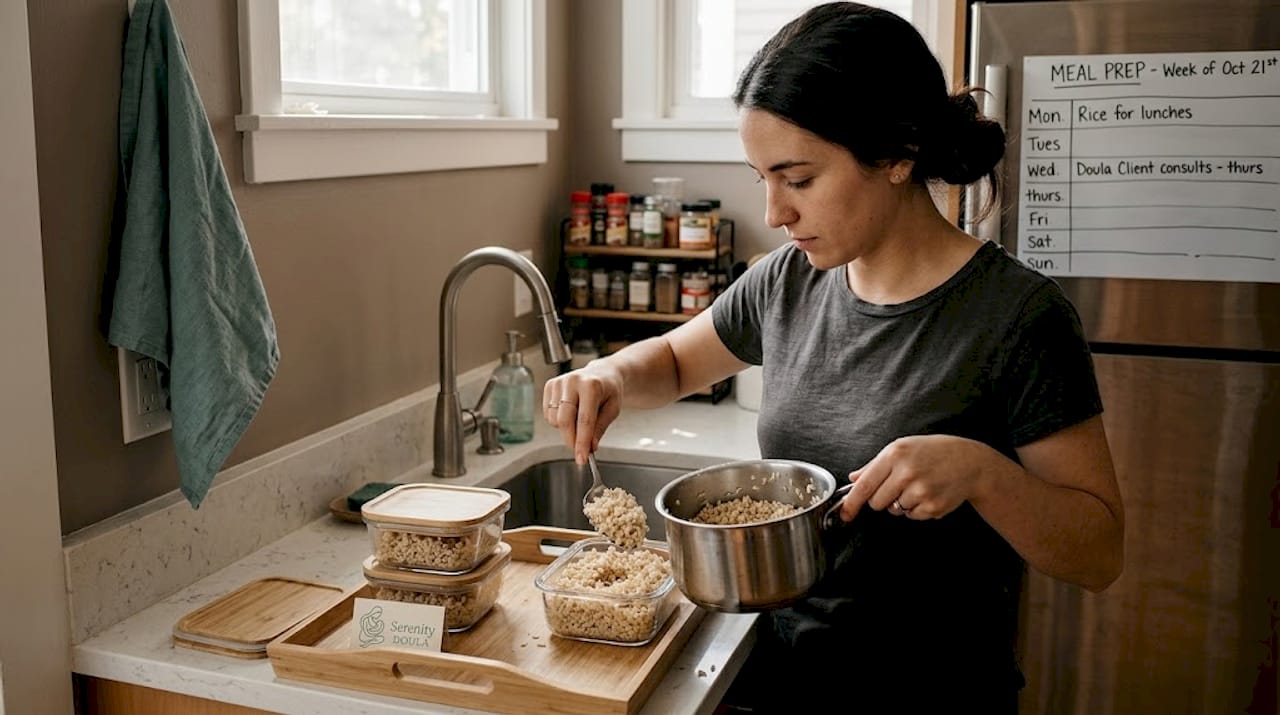
Pro Tip: Batch cook grains and proteins on Sunday so weekday meals require minimal effort. Even two or three prepped components can turn a chaotic Wednesday dinner into a nourishing, stress-free meal.
As you build this rhythm now, you’ll also be setting yourself up for the next phase. Your third trimester prep checklist can help you see how nutrition continues to evolve as your due date approaches.
Troubleshooting: Overcoming common second trimester nutrition mistakes
Even with a strong plan, it’s easy to get off track. Let’s tackle the most frequent nutrition missteps and expert ways to bounce back.
The most common pitfalls
- Skipping meals. When you’re tired or busy, it’s tempting to skip lunch or eat a tiny snack and call it a day. But skipping meals leads to energy crashes, blood sugar dips, and makes it harder to meet your daily nutrient targets.
- Eating the same thing every day. Consistency is great, but variety matters. Relying on the same few foods means missing out on a wide spectrum of micronutrients your body needs.
- Overdoing empty calories. Processed snacks, sugary drinks, and fast food can crowd out nutrient-dense choices without you even realizing it. The calorie count might look fine on paper, but the nutritional quality falls short.
- Forgetting hydration. Thirst signals can dull during pregnancy. Many moms don’t realize they’re mildly dehydrated until they feel headachy or fatigued. Water supports your growing blood volume and amniotic fluid levels.
- Ignoring oral health. This one surprises people. Pregnancy hormones make gums more sensitive and vulnerable to inflammation, and poor oral health during pregnancy has been linked to preterm birth risk. Acidic foods and sugary snacks without proper dental care can compound the problem.
Smart snack swaps and hydration reminders
Data shows that most pregnant women underconsume vegetables, whole grains, and dairy, but snack time is actually a great opportunity to quietly close those gaps. Try:
- Sliced vegetables with hummus instead of chips
- A small smoothie with spinach, yogurt, and frozen fruit instead of a sweetened coffee drink
- Whole grain toast with nut butter instead of a pastry
- Sparkling water with a squeeze of citrus instead of soda
Keep a water bottle nearby at all times. Aiming for 8 to 10 cups daily is a practical target for most moms. Herbal teas (pregnancy-safe varieties), broths, and water-rich fruits like watermelon also count toward your fluid intake.
Remember: Perfection isn’t the goal. If a day doesn’t go as planned, the next meal is always a fresh start.
Pro Tip: Try eating every 3 to 4 hours to keep your blood sugar steady. Smaller, more frequent meals can also reduce heartburn, which becomes more common in the second trimester as your uterus grows.
For more ideas on navigating the day-to-day realities of a healthy pregnancy, the doula tips blog is a warm, practical resource to explore.
How to verify you’re meeting your nutritional goals
Setting a good routine is powerful, but how will you know it’s truly working for both you and your baby?
Tracking doesn’t have to mean obsessing over every calorie. It can be as simple as checking in with your body, your energy, and your food choices in a mindful, low-pressure way.
Here’s a practical verification approach:
-
Check your food group servings at the end of each day. Did you hit a grain, protein, vegetable, fruit, and dairy serving at most meals? You don’t need an app. A quick mental review works fine.
-
Notice your energy levels. Steady energy throughout the day without major crashes is a good sign your blood sugar is balanced and your nutrient intake is meeting your needs.
-
Watch for signs of deficiency. Extreme fatigue beyond normal pregnancy tiredness, pale skin, brittle nails, leg cramps at night, or frequent headaches can sometimes signal nutritional gaps worth discussing with your provider.
-
Track your gestational weight gain. Your care provider will monitor this at each prenatal visit. Higher whole grain intake supports healthy GWG adherence, meaning consistent whole grain eating helps keep your weight gain within recommended ranges.
-
Partner with a professional. A registered dietitian can review your food intake and spot gaps you might miss. A doula can support your overall wellbeing and connect you with the right resources at the right time.
Statistic spotlight: Research shows that adherence to dietary guidelines during pregnancy is low across most food groups, but moms who actively track and adjust their intake close those gaps meaningfully over the course of their pregnancy.
If you want to understand the evidence behind your choices, the evidence-based birth guide is a wonderful way to build that confidence further.
Second trimester nutrition: What most guides don’t tell you
Most nutrition lists give you the facts. What they often skip is the real human side of eating well during pregnancy. And that’s where things get complicated.
Here’s the honest truth: you are not going to eat perfectly every day. Some days, crackers and cheese at 10pm is what you can manage. Some days, the thought of salmon makes you want to cry. That’s normal. That’s pregnancy.
The problem with standard nutrition guides is that they’re written as though you’re making food choices in a vacuum, free from cravings, aversions, exhaustion, nausea flare-ups, and the emotional weight of growing a human being. Real life doesn’t work that way. And holding yourself to an impossible standard can generate guilt that makes the whole experience harder, not easier.
What we’ve seen, working with families through every stage of pregnancy, is that the moms who do best nutritionally aren’t the ones eating a flawless diet. They’re the ones who have support. A partner who helps plan meals. A doula who checks in and normalizes the hard days. A community that shares recipes and celebrates small wins.
Emotional wellbeing and nutrition are deeply connected. When you’re stressed, isolated, or overwhelmed, the research is clear: healthy habits slip. When you feel seen and supported, you make choices that reflect that care.
This is why prenatal emotional support isn’t a luxury. It’s part of how healthy nutrition habits actually stick.
The other thing guides rarely mention is the long game. How you eat now sets a template not just for the third trimester, but for postpartum recovery, breastfeeding, and honestly, the way you think about food for years to come. Give yourself grace, stay curious, and know that doing your best, whatever that looks like today, is genuinely enough.
Ready for support on your nutrition journey?
The journey to optimal nutrition is personal, and you don’t have to go it alone.
Understanding what to eat is one thing. Having someone walk alongside you while you figure out what that looks like in your real life is something else entirely. That’s where personalized doula support and childbirth education make a genuine difference.

At Serenity Doula, we believe nourishment goes beyond what’s on your plate. It includes feeling informed, emotionally supported, and connected to a care team that truly sees you. Our pregnancy and birth support doula services are designed to meet you where you are, offering holistic, personalized guidance through every trimester. And if you’re ready to build confidence from the ground up, exploring the benefits of childbirth education can help you feel grounded and prepared for everything ahead.
Frequently asked questions
How many extra calories should I eat in my second trimester?
Most expectant mothers need about 340 extra calories per day in the second trimester, ideally from nutrient-dense whole foods rather than processed options, since most pregnant women underconsume key food groups like vegetables and whole grains.
Can I be vegetarian or vegan during the second trimester?
Yes, with thoughtful planning around protein, iron, calcium, and vitamin B12, plant-based diets can absolutely meet your needs; note that most pregnant women underconsume dairy and vegetables, so intentional variety matters even more on a plant-based plan.
Which foods should I avoid in the second trimester?
Avoid high-mercury fish like swordfish and king mackerel, unpasteurized cheeses and juices, unheated deli meats, and limit caffeine and added sugar to protect both your health and your baby’s development.
How important is hydration during the second trimester?
Hydration is critically important because your blood volume expands significantly during this trimester, and staying well-hydrated supports circulation, amniotic fluid levels, and reduces constipation. Aim for at least 8 to 10 cups of water daily.
Is it normal to have changing food cravings or aversions?
Yes, shifting cravings and aversions are very common as hormone levels fluctuate throughout the second trimester. Focus on overall balanced nutrition across food groups, and check in with your care provider if aversions are making it hard to eat a variety of foods.