
TL;DR:
- Dehydration during pregnancy triggers uterine contractions and increases the risk of preterm labor. Drinking adequate fluids helps reduce contractions caused by dehydration and maintains amniotic fluid levels. Recognizing the difference between dehydration-induced contractions and true labor ensures timely medical intervention.
Dehydration is a direct trigger for uterine contractions and a recognized risk factor for preterm labor during pregnancy. When your body loses more fluid than it takes in, your uterus, which is a muscle, becomes irritable and starts contracting. For most pregnant women, this is a scary moment. The good news is that understanding the connection between dehydration and preterm labor puts you in a much stronger position to protect yourself and your baby. Morning sickness affects up to 80% of pregnant individuals, making dehydration one of the most common and underestimated risks of pregnancy.
Can dehydration cause preterm labor? Here’s what’s actually happening
The short answer is yes, dehydration can raise your risk of preterm labor, and the biology behind it is worth understanding.
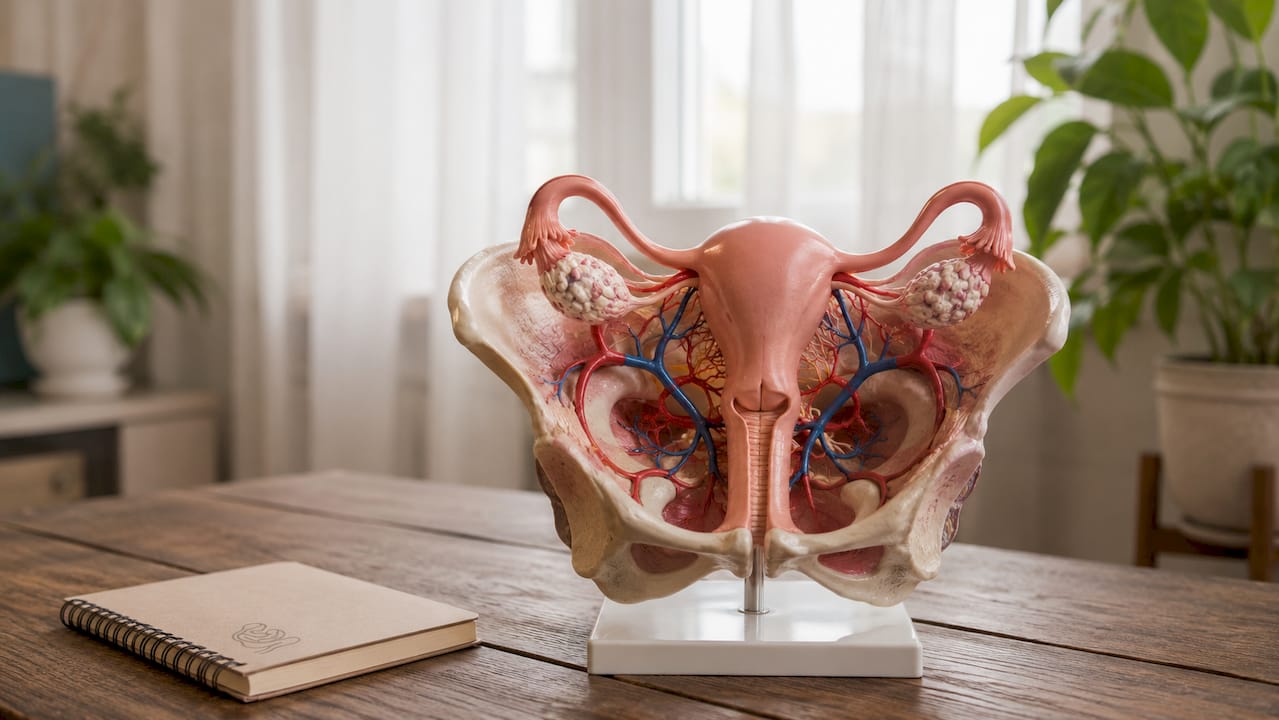
Your uterus needs a steady supply of blood, oxygen, and nutrients to stay calm and supportive throughout pregnancy. When you are dehydrated, your blood volume drops. That drop reduces the flow of oxygen and nutrients to your uterus. The uterus responds the way any stressed muscle does: it tightens and contracts.
Dehydration also lowers your amniotic fluid levels. Low amniotic fluid reduces the cushioning and protection your baby depends on every day. Beyond contractions, the effects of dehydration on pregnancy include dizziness, muscle cramps, and swelling, all of which add physical stress to your body at a time when it needs the opposite.
Here is what dehydration does to your body during pregnancy:
- Reduces blood volume, which limits oxygen delivery to the uterus and placenta
- Lowers amniotic fluid, reducing fetal protection and support
- Triggers uterine muscle irritability, causing contractions that can feel like labor
- Worsens common symptoms like dizziness, cramps, and swelling, as Nebraska Medicine confirms
Healthcare providers recommend 8–12 glasses of water daily during pregnancy to support placental health and keep amniotic fluid at safe levels. That number is not arbitrary. It reflects how much extra fluid your body needs to sustain both you and your growing baby.
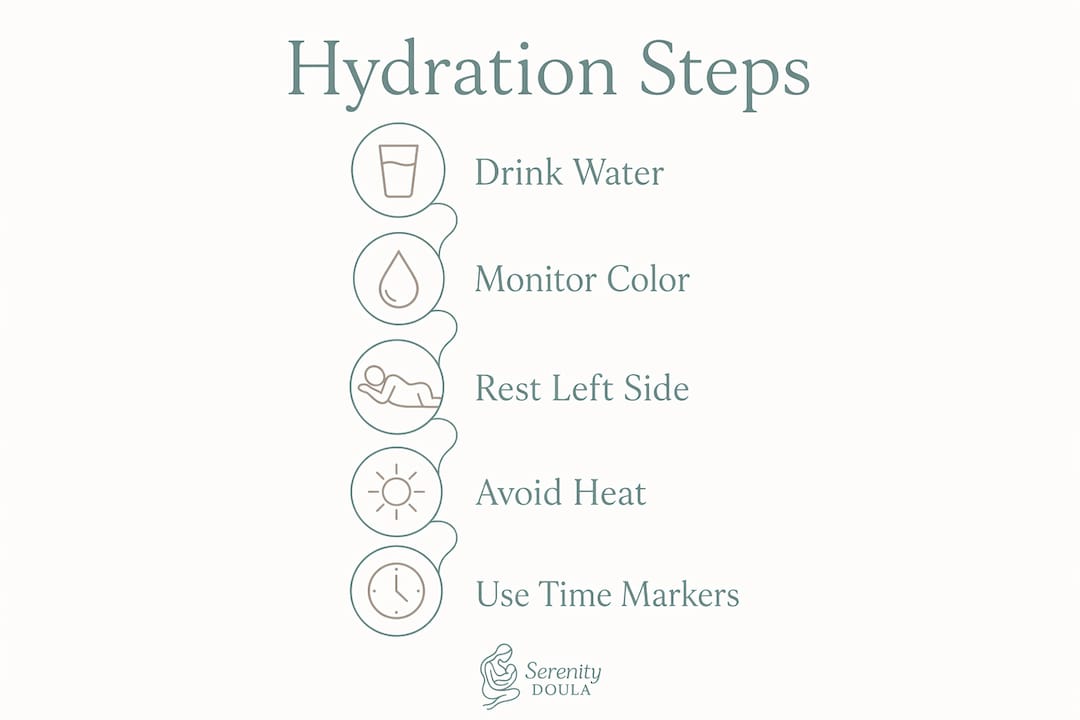
Pro Tip: Check your urine color throughout the day. Pale yellow means you are well hydrated. Dark yellow or amber is a clear sign you need to drink more water right away.
Dehydration contractions vs. true preterm labor: what’s the difference?
This is the question that matters most when you feel your belly tightening. Not every contraction means you are in labor, and knowing the difference can save you from unnecessary panic or, more importantly, from ignoring something serious.
Dehydration often causes what are called Braxton Hicks contractions, or uterine irritability contractions. These feel real and can be uncomfortable, but they behave differently from true preterm labor contractions. Dehydration-induced contractions are irregular and do not cause the cervical dilation that true labor requires. They are your uterus reacting to a fluid imbalance, not preparing to deliver your baby.
True preterm labor, by contrast, involves contractions that grow stronger, longer, and closer together over time. It also involves cervical changes, meaning your cervix begins to shorten or open. That progression is what separates a dehydration scare from an actual obstetric emergency.
Here is how to tell them apart:
- Drink water and rest. Lie down on your left side and drink 2–3 glasses of water. Dehydration contractions usually ease within 30–60 minutes.
- Track the pattern. Are contractions getting stronger and more regular? That is a warning sign.
- Check for other symptoms. Pelvic pressure, low back pain, or fluid leaking are signs to take seriously.
- Time your contractions. More than 4 contractions in an hour that do not stop with rest and fluids requires a call to your provider.
- Do not wait if you are unsure. Contractions persisting beyond one hour despite hydration and rest need professional evaluation.
Pro Tip: Lying on your left side is not just comfortable. It actively improves blood flow to your uterus, which can help calm dehydration-triggered contractions faster.
Who is at higher risk for dehydration-related preterm labor?
Some pregnant women face a significantly higher risk of dehydration and its complications. Knowing whether you fall into one of these groups helps you stay ahead of the problem.
Hyperemesis gravidarum is the most serious risk factor. This is a condition involving severe, persistent vomiting that goes far beyond typical morning sickness. Hyperemesis gravidarum significantly raises preterm birth risk through the severe dehydration it causes. Women with this condition often require IV fluids and close medical monitoring to keep both mother and baby safe.
Other groups at elevated risk include:
- Women in hot climates or summer months. Heat increases sweat and water loss, and pregnant bodies are already working harder to regulate temperature.
- Women experiencing illness with vomiting or diarrhea. Any condition that causes fluid loss compounds dehydration risk quickly.
- Women with nausea throughout pregnancy, not just in the first trimester, who may consistently under-drink because water makes them feel worse.
Statistic Spotlight: Hyperemesis gravidarum is clinically identified as a condition with elevated preterm labor risk due to dehydration, making it one of the most important pregnancy complications to manage proactively.
Urine color remains one of the simplest and most reliable tools for monitoring hydration. Pale yellow is your goal. If you are consistently seeing dark urine, that is your body asking for more fluid, and it is worth telling your provider.
How to stay hydrated and reduce your preterm labor risk
Preventing dehydration during pregnancy does not require a complicated plan. It requires consistency and a little awareness of your body’s signals.
Here are practical steps you can take every day:
- Drink water steadily throughout the day, not just when you feel thirsty. Thirst is already a late sign of dehydration.
- Add variety if plain water feels unappealing. Coconut water, herbal teas, and water-rich foods like cucumber, watermelon, and oranges all count toward your fluid intake. Check out this Laborade recipe for a pregnancy-friendly hydration boost.
- Increase your intake in hot weather or when you are active. Your body loses more fluid through sweat, so your baseline of 8–12 glasses needs to go up.
- If contractions start, act immediately. Rest on your left side, drink 2–3 glasses of water, and monitor for 30–60 minutes before calling your provider.
- Never try to use dehydration to induce labor. Dehydration is not a safe or reliable labor induction method. It causes irregular contractions without cervical change and can put your baby in distress.
- Call your provider without hesitation if contractions do not stop, if you have fewer than 10 fetal movements in two hours, or if you notice any fluid leaking.
Pro Tip: Keep a water bottle with time markers on it. Seeing your progress throughout the day makes it much easier to hit your daily goal without thinking too hard about it.
For more on how fluid balance affects your uterus during pregnancy, the dehydration and contractions guide at Myserenitydoula walks through what providers look for when evaluating uterine irritability.
Key takeaways
Dehydration causes uterine irritability and contractions that can escalate to preterm labor risk, especially in women with hyperemesis gravidarum or heat exposure, but most dehydration-induced contractions resolve with rest and fluids.
| Point | Details |
|---|---|
| Dehydration triggers contractions | A dehydrated uterus becomes irritable and contracts, raising preterm labor risk. |
| Contractions vs. true labor | Dehydration contractions are irregular and resolve with fluids; true labor involves cervical change. |
| Hyperemesis gravidarum is high risk | Severe dehydration from this condition is clinically linked to elevated preterm birth risk. |
| Daily water goal matters | Drink 8–12 glasses of water daily to support placental health and amniotic fluid levels. |
| Act fast if contractions start | Rest on your left side, hydrate, and call your provider if contractions persist beyond one hour. |
What I’ve learned watching hydration change pregnancy outcomes
I have sat with a lot of pregnant women who were convinced they were going into early labor, only to watch their contractions slow and stop after a glass of water and 20 minutes on their left side. That moment is always a relief, but it also highlights something I think gets overlooked: hydration is one of the most powerful and accessible tools you have during pregnancy, and most people are not using it consistently.
What I have also seen is the flip side. Women who dismiss persistent contractions because they assume it is just dehydration, and who wait too long to call their provider. The distinction between dehydration-induced uterine irritability and true preterm labor is real, but it is not always obvious in the moment. My honest advice is this: hydrate first, rest, and then trust your gut. If something feels off after 30–60 minutes, call. You are never overreacting by checking in.
Hydration is not glamorous pregnancy advice. But it is the kind of simple, consistent care that genuinely protects you and your baby. Carry your water bottle like it is your job, because during pregnancy, it kind of is.
— Alexis Wallace
How Myserenitydoula supports you through pregnancy wellness
Staying hydrated is one piece of a much bigger picture of pregnancy wellness, and you do not have to figure it all out alone. At Myserenitydoula, we walk alongside you through every stage of pregnancy, helping you understand your body’s signals, manage discomfort, and feel confident in the decisions you make.

Whether you are navigating nausea, monitoring contractions, or just trying to stay calm between appointments, having consistent, knowledgeable support makes a real difference. Our pregnancy and birth support doula services are designed to give you exactly that: personalized care, evidence-based guidance, and someone in your corner every step of the way. You deserve to feel grounded and supported throughout this experience.
FAQ
Can dehydration cause preterm labor?
Yes. Dehydration causes uterine irritability and contractions that raise the risk of preterm labor, particularly in cases of severe dehydration or conditions like hyperemesis gravidarum. Most dehydration-induced contractions resolve with rest and fluids.
How do I know if my contractions are from dehydration or real labor?
Dehydration contractions are irregular and typically ease within 30–60 minutes of resting on your left side and drinking water. True preterm labor contractions grow stronger and more regular over time and involve cervical changes.
How much water should I drink during pregnancy?
Healthcare providers recommend 8–12 glasses of water daily during pregnancy. Increase that amount during hot weather, illness, or physical activity.
Is dehydration more dangerous for some pregnant women?
Yes. Women with hyperemesis gravidarum face the highest risk, as severe dehydration from this condition is directly linked to elevated preterm birth risk. Women in hot climates or with persistent nausea are also at greater risk.
Can I use dehydration to start labor at home?
No. Dehydration is not a safe or effective way to induce labor. It causes irregular contractions without the cervical dilation needed for true labor and can cause fetal distress.