
TL;DR:
- Cuarentena after birth is an active recovery process that combines physical monitoring, emotional support, and community care beyond traditional rest. It involves scheduled checkups, early detection of warning signs, and holistic practices that integrate culture, tradition, and medical guidance for lasting wellbeing. Empowered recovery emerges when evidence-based care, emotional safety, and personal rituals are thoughtfully connected.
You just brought a new life into the world, and now everyone around you is saying “rest, rest, rest.” But cuarentena after birth is so much more than staying in bed for six weeks. It is an active, carefully staged recovery process that blends physical monitoring, emotional care, and community support into something that truly honors both your body and your wellbeing. Getting this period right can genuinely shape how you feel for years to come.
Table of Contents
- What is cuarentena after birth? Beyond traditional rest
- The first 24 hours: Monitoring and immediate care
- Weeks 1–6: Scheduled checkups and ongoing support
- Warning signs and self-advocacy during recovery
- Integrating holistic healing: Physical, emotional, and community care
- Why integrating tradition and evidence is the real secret to postpartum healing
- Ready for your supported cuarentena? Find expert help and guidance
- Frequently asked questions
Key Takeaways
| Point | Details |
|---|---|
| Cuarentena is proactive | Modern postpartum cuarentena prioritizes medical monitoring and emotional care, not just rest. |
| Close follow-up saves lives | Scheduled checkups and self-advocacy during the first six weeks catch dangerous complications early. |
| Holistic support is vital | Combining structured health care, traditional practices, and emotional support leads to better recovery. |
| Know red flags | Promptly respond to dangerous symptoms like heavy bleeding and fever—these can be life-threatening. |
What is cuarentena after birth? Beyond traditional rest
Let’s start by redefining what cuarentena after birth actually means today.
Many families still think of cuarentena as a cultural tradition of isolation, warm broths, and absolute stillness. That image holds beauty and wisdom. But modern care adds a crucial layer: postpartum recovery essentials now include structured health checks, professional monitoring, and active emotional support woven into every week of those first six weeks.
Here is what a truly complete cuarentena looks like:
- Physical monitoring: Tracking vaginal bleeding, uterine tone, signs of infection, and wound healing
- Emotional check-ins: Screening for postpartum depression, anxiety, and birth trauma
- Nutritional support: Eating to replenish iron, support milk production, and restore energy
- Community care: Leaning on family, doulas, lactation consultants, and peer support groups
- Preventative education: Learning which symptoms require urgent medical attention
Key insight: WHO guidelines recommend that cuarentena includes a full monitoring schedule covering bleeding, uterine tone, fever, and pulse in the first day alone, alongside psychosocial and emotional support throughout subsequent contacts. Rest is one piece of the puzzle, not the whole picture.
This is good news, not scary news. It means you are not just waiting for six weeks to pass. You are actively healing, learning, and being held by a network of support.
The first 24 hours: Monitoring and immediate care
Now that we understand the full meaning of cuarentena, let’s look at what happens in the very first 24 hours after birth.
This window is the most medically intense part of your recovery. Whether you birthed vaginally or by cesarean, your body goes through rapid changes the moment your baby arrives. Professional monitoring during this time is not optional; it is life-saving.
WHO guidelines specify that every woman should receive regular evaluations of vaginal bleeding, uterine firmness, uterine height, temperature, and heart rate during the first 24 hours, starting within the very first hour after delivery.
| What is checked | Why it matters | Normal range |
|---|---|---|
| Vaginal bleeding | Detect postpartum hemorrhage early | Moderate flow, decreasing over hours |
| Uterine firmness | Ensures uterus is contracting properly | Firm, centered below navel |
| Temperature | Early sign of infection | 97°F to 99°F |
| Heart rate | Circulatory stability after blood loss | 60 to 100 bpm |
| Blood pressure | Detect preeclampsia or shock | Under 140/90 mmHg |
Statistic spotlight: Severe postpartum hemorrhage and postpartum infections are among the leading causes of maternal death worldwide, which is why the WHO emphasizes that the postpartum period must include access to quality care and timely preventive and therapeutic interventions.
Pro Tip: Ask your care team exactly how often you will be checked during your first hour and first 24 hours. Knowing the plan in advance helps you feel grounded instead of anxious, and it helps you recognize if something feels off between checks.
For a clear breakdown of what clinical postpartum care steps involve, it helps to review them before you even give birth so you know what to expect. You can also get ahead of this by creating a postpartum care plan during your third trimester.
Weeks 1–6: Scheduled checkups and ongoing support
Immediate checks are only the beginning. True recovery requires ongoing, scheduled attention.
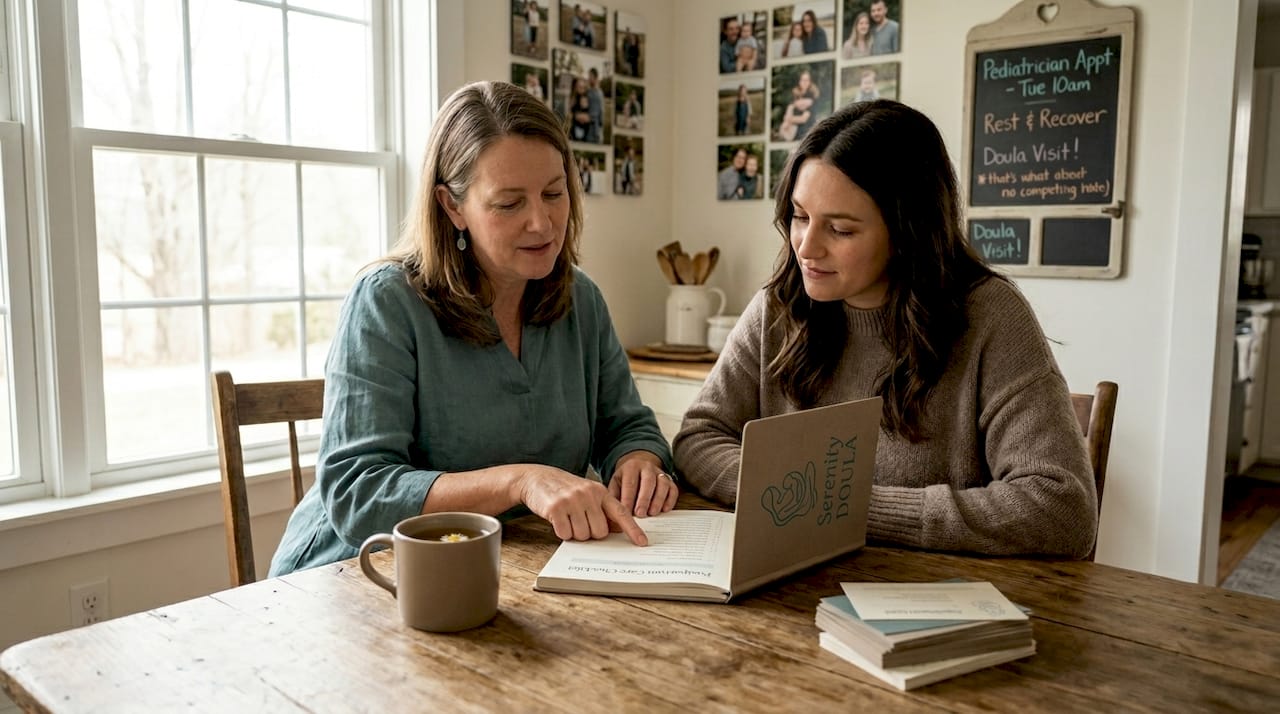
WHO guidelines recommend at least three additional postnatal care contacts during the first six weeks. These visits are not just formalities. They are structured opportunities to catch problems before they become crises and to check in on your whole self.
Here is what a healthy postpartum follow-up schedule looks like:
- 48 to 72 hours after birth: Focus on bleeding, breastfeeding latch, newborn feeding patterns, emotional state, and wound assessment for cesarean or perineal repairs
- 7 to 14 days postpartum: Check for signs of infection, assess milk supply, screen for postpartum depression or anxiety, evaluate pain and perineal healing
- Six-week checkup: Full physical exam including pelvic floor assessment, blood pressure, cesarean scar check, contraception discussion, and mental health screening
Follow-up visits in the postnatal period also cover urinary function, bowel health, back pain, breast tenderness, uterine sensitivity, and lochia (the normal postpartum vaginal discharge).
| Visit timing | Physical focus | Emotional focus |
|---|---|---|
| 48 to 72 hours | Bleeding, wound, breastfeeding | Baby blues, sleep, support system |
| 7 to 14 days | Infection, pain, healing | Mood screening, partner dynamics |
| 6 weeks | Full physical exam, pelvic floor | Depression screening, returning to activities |
Many mothers find that herbal support during recovery can complement these scheduled visits beautifully. Traditions like warming teas, nourishing soups, and specific herbs have real value when used alongside professional care. Similarly, Ayurveda postpartum healing offers a structured framework for rest, diet, and gentle movement that fits naturally within this six-week window.
Warning signs and self-advocacy during recovery
The scheduled visits are vital, but self-awareness and advocacy fill in the safety gaps at home.
Between appointments, you are your own best advocate. This is not about creating fear. It is about equipping you with knowledge so that if something does not feel right, you act quickly rather than waiting it out.
Postpartum discharge planning evidence strongly supports early education about warning signs and mental health screening before you even leave the hospital or birth center. The goal is to send you home feeling informed, not left in the dark.
Watch for these warning signs and seek care immediately if any appear:
- Heavy bleeding: Soaking more than one pad per hour for two consecutive hours
- Fever above 100.4°F: May signal infection in the uterus, incision, or breast
- Severe or worsening abdominal pain: Could indicate internal bleeding or infection
- Difficulty breathing or chest pain: Emergency symptoms that need immediate attention
- Redness, swelling, or warmth in one leg: Possible blood clot
- Persistent sadness, numbness, or thoughts of harming yourself or your baby: These are medical symptoms, not character flaws, and they require compassionate, prompt care
Postpartum complications like hemorrhage and infection are preventable when women have the knowledge and access to care that lets them respond quickly.
Pro Tip: Write your warning signs list on an index card and put it somewhere visible in your home, like the bathroom mirror or fridge. Share it with your partner, mother, or whoever is supporting you. This is not catastrophizing. It is smart preparation.
If you experienced a difficult birth, support is available through birth trauma recovery resources that address both the physical and emotional layers of a complex delivery. And if you need someone to talk to between appointments, emotional support for mothers is a vital part of feeling whole during cuarentena.
Integrating holistic healing: Physical, emotional, and community care
Holistic recovery is not just allowed; it is recommended when done with safety and awareness. Here is how that can look.
Think of your cuarentena as having three interlocking rings: your body, your mind, and your community. Medical checkups cover one ring. Holistic practices and emotional care fill the other two.
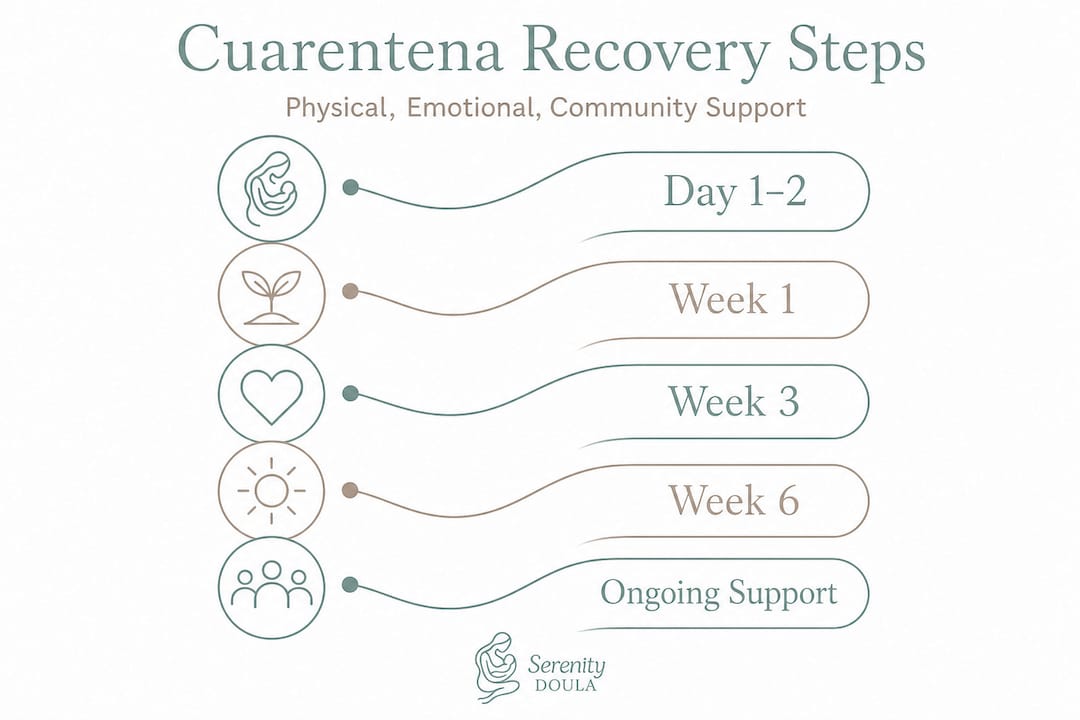
A holistic approach for new mothers integrates seamlessly with safety when it is accompanied by structured education about warning signs and coordinated follow-up care.
Here is what integrated, whole-person recovery can include:
- Nutrition: Warm, iron-rich, easily digestible foods; staying hydrated especially if breastfeeding
- Gentle movement: Short walks when cleared by your provider; avoiding strenuous activity in early weeks
- Social connection: Accepting help from your village; joining a new parent group online or in person
- Spiritual and cultural practices: Incorporating traditions like belly binding, herbal baths, or specific postpartum foods that carry personal meaning
- Professional support: Working with a doula, lactation consultant, or therapist who understands postpartum recovery
Pro Tip: If you feel pulled between your cultural traditions and your provider’s instructions, bring both into the conversation. Ask your midwife or doctor which traditional practices are safe to continue. Most of the time, the answer is “yes” with minor modifications. Holistic emotional support can help you navigate that space with confidence and without guilt.
Why integrating tradition and evidence is the real secret to postpartum healing
Here is an honest truth that sometimes gets lost in both clinical settings and cultural circles: neither a fully traditional cuarentena nor a strictly medical approach alone is enough.
Relying only on tradition without any professional monitoring means missing early warning signs that could escalate into genuine emergencies. But focusing only on clinical checkups and ignoring emotional, spiritual, and cultural needs leaves mothers feeling unseen and unsupported, which research connects to higher rates of postpartum depression.
The real magic happens in the middle. When you have a care team monitoring your physical recovery and a community holding your emotional needs and personal rituals that make you feel like yourself again, that is when thriving becomes possible. Not just surviving the six weeks, but actually emerging from them feeling stronger.
Community and knowledge are the twin pillars of empowered recovery. When you know what to watch for, when you have people to call, and when your traditions are honored alongside evidence, cuarentena stops being something you endure. It becomes something that genuinely restores you. Explore the keys to holistic postpartum healing and build a plan that reflects your whole story.
Ready for your supported cuarentena? Find expert help and guidance
You deserve cuarentena that feels nourishing, safe, and deeply personal. No matter where you are on your recovery journey, additional expert support is within reach.
At Serenity Doula, we believe every mother deserves compassionate, knowledgeable care that bridges the gap between what is traditional, what is medically sound, and what is uniquely you. Whether you are just beginning to plan or already in the thick of those early weeks, our team is here to walk alongside you. Explore our postpartum care services to see how we can support your recovery, connect with our birth support doulas for personalized guidance, or browse our childbirth education classes to prepare before your baby arrives. You do not have to carry this alone.
Frequently asked questions
How long should cuarentena last after giving birth?
Cuarentena typically lasts six weeks, aligning with international guidelines recommending close monitoring and follow-up through this period. WHO recommendations include at least three additional postnatal contacts within this timeframe to support both physical and emotional recovery.
What symptoms after birth are considered warning signs?
Heavy bleeding, fever, severe abdominal pain, shortness of breath, and persistent sadness are danger signs that require prompt medical attention. Postpartum hemorrhage and infection are among the most serious complications and can escalate rapidly without care.
Is emotional support as important as physical recovery during cuarentena?
Yes, both mental and physical health are essential for complete postpartum recovery. A holistic, integrated approach that combines medical oversight with emotional and community support produces the safest and most fulfilling outcomes for new mothers.
What kinds of follow-up appointments are needed after birth?
At least three checkups are recommended within the first six weeks, at 48 to 72 hours, 7 to 14 days, and week six. These contacts cover physical healing, mental health screening, breastfeeding support, and overall wellbeing.