
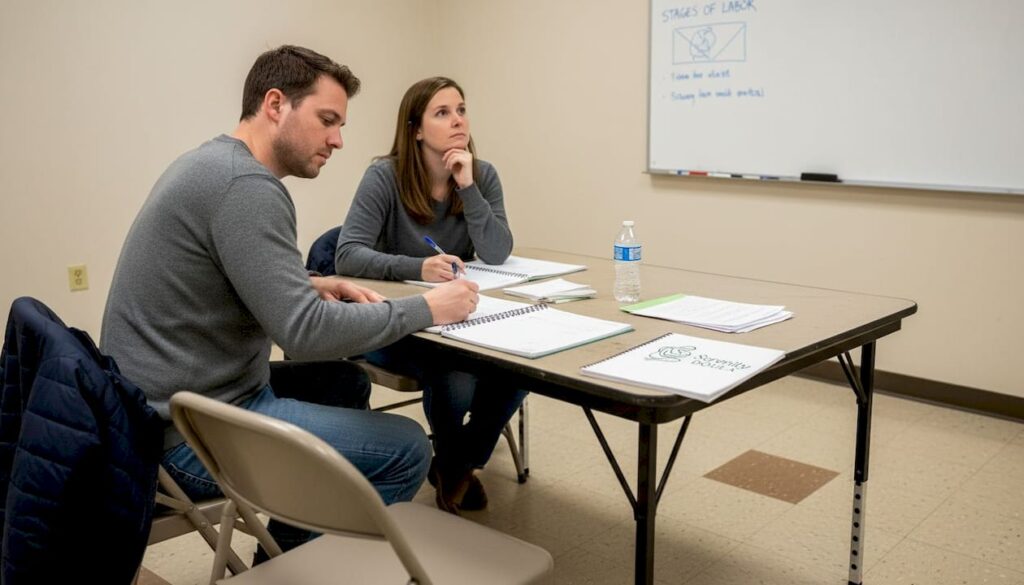
Many expectant parents assume childbirth education is simply about learning breathing techniques or managing pain during labor. While comfort strategies are valuable, this narrow view overlooks the profound impact that comprehensive childbirth education has on delivery outcomes, parental confidence, and long-term birth satisfaction. Research shows that structured antenatal education significantly reduces planned cesarean rates, increases vaginal births, and empowers parents to make informed decisions throughout pregnancy and delivery. This article explores the evidence-based benefits of childbirth education, from improved birth outcomes to enhanced psychological readiness, helping you understand how the right educational approach can transform your birth experience.
Table of Contents
- Key takeaways
- How childbirth education improves birth outcomes
- Enhancing maternal confidence and self-efficacy through education
- Tailored methodologies and preparing for complications
- Limitations and the need for personalized, evidence-based education
- Explore childbirth education and doula support
- FAQ
Key Takeaways
| Point | Details |
|---|---|
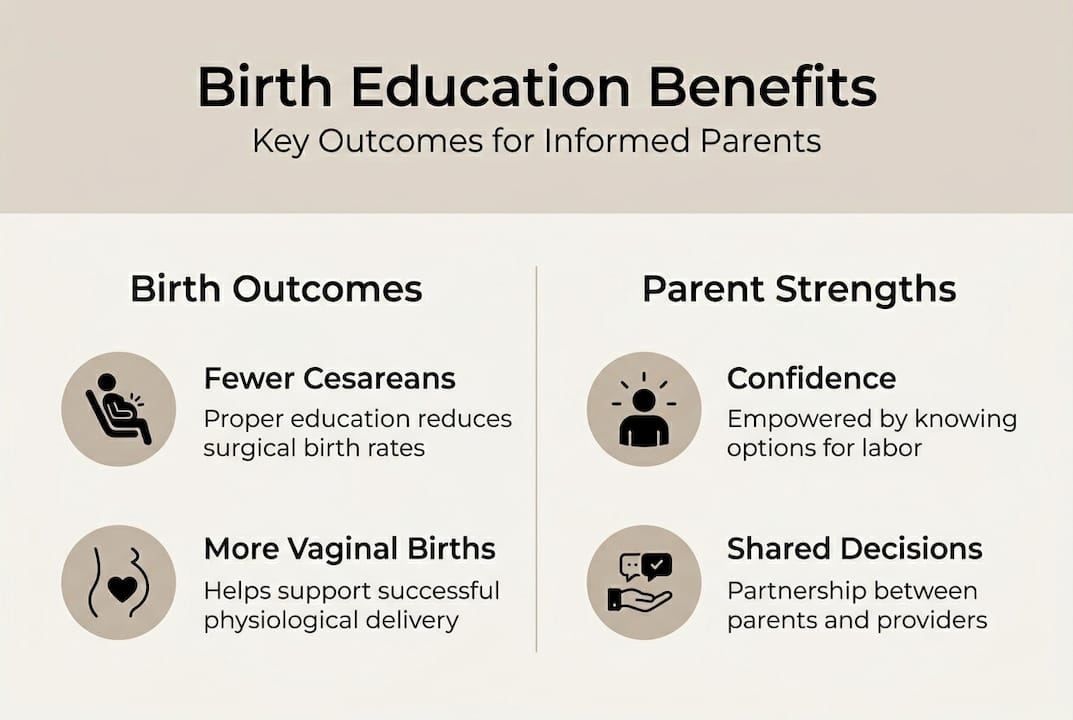
| Lower planned cesarean | Structured antenatal education reduces planned cesarean deliveries by about thirteen percent and increases vaginal births by empowering informed decisions and better communication with providers. |
| More sessions boost outcomes | Attending three or more education sessions is linked to greater reductions in planned cesareans and more collaborative conversations with healthcare providers. |
| Maternal self efficacy | Nurse led antenatal education significantly improves maternal self efficacy by increasing confidence to cope with labor and early parenting. |
| Communication focused classes | Classes that emphasize communicating with the care team and sharing birth preferences yield greater satisfaction and informed decision making than classes focused only on techniques. |
How childbirth education improves birth outcomes
Comprehensive childbirth education directly influences how you experience labor and delivery, with measurable effects on intervention rates and birth methods. Antenatal education decreases planned caesarean sections by helping expectant parents understand their options and feel confident in their choices. When you know what to expect and how to communicate with your care team, you are more likely to advocate for preferences that align with your birth goals.
The correlation between education attendance and positive outcomes becomes stronger with consistent participation. Research shows that attending 3 or more sessions is linked to decreased planned cesarean rates and more collaborative conversations with healthcare providers. This pattern suggests that sustained learning builds both knowledge and confidence over time, rather than relying on a single crash course approach.
Consider these measurable benefits of structured childbirth education:
- Reduction in planned cesarean deliveries by approximately 13%
- Increased likelihood of vaginal birth among educated participants
- Enhanced ability to discuss preferences and concerns with medical teams
- Greater satisfaction with birth experiences regardless of delivery method
- Improved understanding of when interventions are medically necessary versus optional
| Education Level | Planned Cesarean Rate | Vaginal Birth Rate | Shared Decision-Making Score |
|---|---|---|---|
| No formal education | 32% | 58% | 2.1/5 |
| 1-2 sessions | 28% | 65% | 3.4/5 |
| 3+ sessions | 21% | 72% | 4.2/5 |
Pro Tip: Look for classes that emphasize communication skills and birth preferences alongside physical preparation. The ability to articulate your needs and ask informed questions often matters more than memorizing every stage of labor.
The data reveals that education works not by guaranteeing specific outcomes, but by equipping you with tools to navigate whatever your unique birth brings. When you understand the physiological process, recognize normal variations, and know how to work with your care team, you create conditions for the safest and most satisfying birth possible within your circumstances.
Enhancing maternal confidence and self-efficacy through education
Beyond physical outcomes, childbirth education profoundly affects how you feel about your ability to handle pregnancy, labor, and early parenthood. Nurse-led antenatal education shows moderate-to-large effect on maternal self-efficacy, which is your belief in your capacity to successfully manage the challenges ahead. This psychological foundation influences everything from how you cope with discomfort to how you bond with your baby after birth.
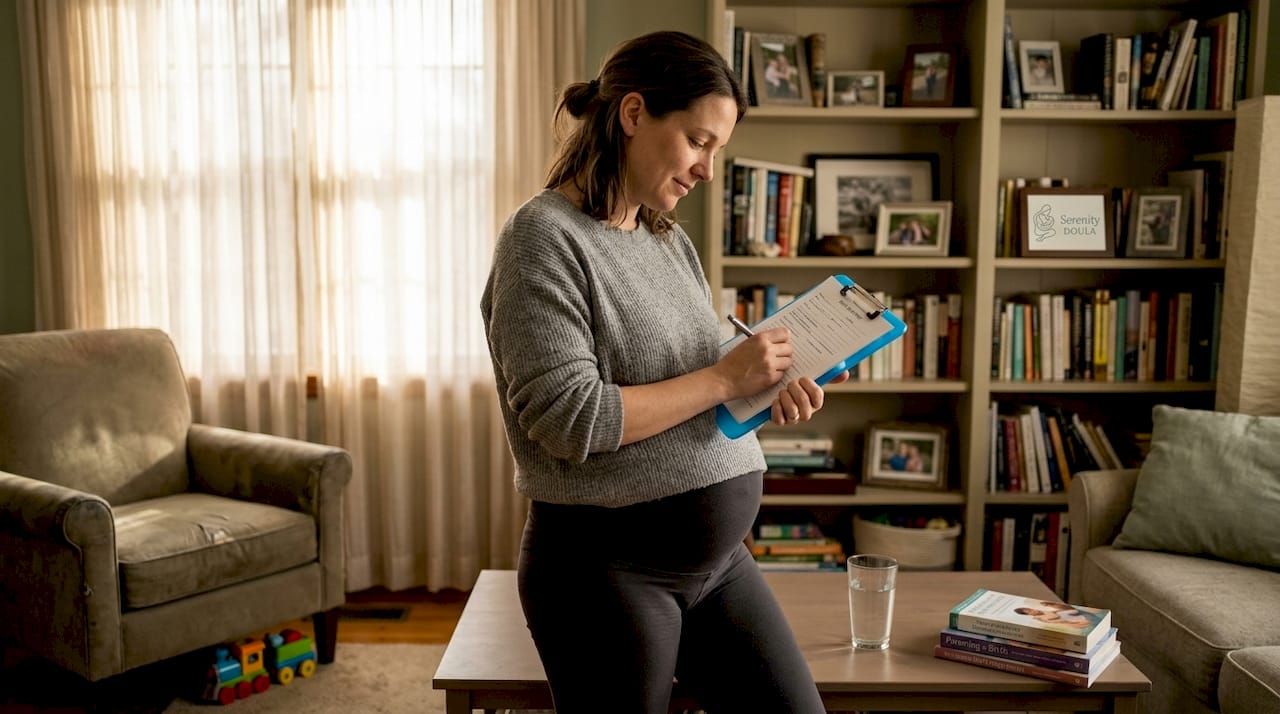
Interestingly, the type of education matters significantly for building confidence. Studies demonstrate that general education and birth plan interventions outperform classes focused solely on specific techniques like breathing patterns or pushing positions. While techniques have value, understanding the bigger picture of what is happening in your body and why certain decisions matter creates deeper confidence than memorizing steps.
Comprehensive education addresses multiple dimensions of psychological readiness:
- Understanding normal labor progression reduces fear of the unknown
- Learning about pain management options (both medicated and unmedicated) empowers choice
- Discussing potential complications in advance prevents shock if they occur
- Practicing communication with partners builds teamwork for labor support
- Exploring postpartum expectations prepares you for the full transition to parenthood
This holistic approach recognizes that confidence comes from feeling prepared for multiple scenarios, not just the ideal birth you envision. When you prepare your mind and body for labor with realistic expectations, you develop resilience that serves you regardless of how events unfold.
The psychological benefits extend beyond the birth itself. Parents who feel confident and informed during pregnancy report greater satisfaction with their birth experiences even when outcomes differ from their original plans. This adaptability stems from understanding that birth is a dynamic process requiring flexibility, not rigid adherence to a script.
Pro Tip: Include birth planning as part of your education, but frame it as a communication tool rather than a rigid checklist. The process of thinking through preferences and discussing them with your partner and provider builds confidence, even if you ultimately make different choices in the moment.
Environmental preparation also supports psychological readiness. Learning how to create a calm birth space whether at home or in a hospital setting gives you tangible ways to influence your experience. These practical skills reinforce your sense of agency during a time when many factors remain outside your control.
Tailored methodologies and preparing for complications
While general childbirth education provides valuable foundation, specialized methods address specific concerns and preferences that matter to different families. The Bradley Method emphasizes partner-coached relaxation and claims over 80% unmedicated vaginal births among participants who complete the full 12-week course. This approach focuses on nutrition, exercise, and deep relaxation techniques practiced extensively before labor begins.
Other methodologies target particular challenges or learning styles:
| Method | Primary Focus | Best For | Key Techniques |
|---|---|---|---|
| Bradley Method | Partner coaching, unmedicated birth | Couples committed to natural birth | Deep relaxation, nutrition, 12-week preparation |
| Spinning Babies | Fetal positioning optimization | Concerns about baby position or previous positioning issues | Body balancing, movement, awareness of pelvic anatomy |
| VR Birth Education | Visual understanding of birth mechanics | Visual learners, first-time parents seeking detailed anatomical knowledge | 3D visualization, interactive anatomy, realistic simulations |
Spinning Babies deserves special attention for parents concerned about fetal positioning. This approach teaches you how pelvic alignment and maternal positioning throughout pregnancy can influence how your baby settles into the birth canal. When babies are optimally positioned, labor often progresses more smoothly with less need for interventions.
Virtual reality tools represent an emerging frontier in childbirth education, offering immersive experiences that help you visualize what happens inside your body during labor. These technologies can demystify the process in ways that diagrams and descriptions cannot match, particularly for visual learners who benefit from seeing rather than just hearing explanations.
However, effective education must balance optimism about ideal births with realistic preparation for complications. Studies show many classes underemphasize complications and interventions, which can cause trauma when parents encounter unexpected medical situations. Comprehensive education addresses:
- Common reasons for induction and what the process involves
- Circumstances requiring cesarean delivery and what to expect
- Pain management options including epidurals, with honest discussion of benefits and limitations
- Potential complications like shoulder dystocia, hemorrhage, or fetal distress
- How medical teams make decisions during urgent situations
This preparation does not mean dwelling on worst-case scenarios or creating unnecessary anxiety. Rather, it acknowledges that birth is unpredictable and that feeling informed about possibilities reduces trauma if they occur. Understanding doula roles and support during both routine and complicated births provides additional reassurance that you will have continuous support regardless of circumstances.
Pro Tip: Consider supplementing traditional childbirth classes with VR birth education tools if available in your area. The immersive experience helps you understand birth mechanics in three dimensions, making abstract concepts concrete and reducing fear of the unknown.
Limitations and the need for personalized, evidence-based education
Despite the benefits discussed, the scientific foundation for general antenatal education programs remains surprisingly weak. A comprehensive Cochrane review finds largely unknown effects of general antenatal education due to poor quality evidence from existing studies. Most research suffers from small sample sizes, lack of standardization in what is taught, and failure to control for confounding factors like socioeconomic status or baseline health.
This evidence gap creates challenges for expectant parents trying to choose effective education. The wide variation in program content, teaching methods, and instructor qualifications means that two classes with similar names might deliver vastly different experiences and outcomes. Some focus heavily on natural birth techniques while barely mentioning medical interventions. Others emphasize hospital procedures without adequately preparing parents for the physical sensations and emotional intensity of labor.
“The heterogeneity of antenatal education programs and limited high-quality RCTs highlight the critical need for personalized, evidence-based approaches that prepare parents for both ideal outcomes and realistic complications, reducing the risk of traumatic experiences from unmet expectations.”
Unrealistic expectations represent a significant risk when education fails to address the full spectrum of birth experiences. Parents who attend classes promoting only unmedicated, intervention-free birth may feel they have failed if they need pain relief or medical assistance. This sense of failure can contribute to postpartum depression, difficulty bonding with the baby, and lasting psychological trauma around the birth experience.
The solution lies in seeking personalized education that adapts to your specific circumstances, concerns, and preferences. Factors that should influence your educational approach include:
- Your medical history and any pregnancy complications
- Previous birth experiences if this is not your first baby
- Your personal values around medical intervention and pain management
- Your partner’s role and comfort level with providing support
- The policies and typical practices of your chosen birth location
- Cultural or religious considerations that shape your preferences
Effective doula services and education recognize this need for individualization, offering guidance tailored to your unique situation rather than a one-size-fits-all curriculum. The most valuable education prepares you to make informed decisions in the moment, understanding that flexibility and adaptation often matter more than perfect execution of a predetermined plan.
Research continues to evolve, with newer studies focusing on specific populations and targeted interventions rather than broad general programs. This shift toward precision in childbirth education mirrors trends in other areas of healthcare, recognizing that what works for one family may not serve another. As you evaluate educational options, prioritize programs that acknowledge uncertainty, present evidence transparently, and empower you to make choices aligned with your values and circumstances.
Explore childbirth education and doula support
Understanding the benefits of childbirth education is the first step toward a more confident, informed birth experience. Serenity Doula offers comprehensive childbirth education services designed to prepare you for the full spectrum of pregnancy, labor, and early parenthood. Our evidence-based approach balances optimism about your birth goals with realistic preparation for the unexpected, ensuring you feel empowered regardless of how your unique journey unfolds.
Beyond education, our pregnancy and birth support doula services provide continuous emotional, physical, and informational support throughout your pregnancy and during labor. Understanding what a doula does helps you recognize how this personalized support complements your medical care team, filling gaps that even the best childbirth classes cannot address. Whether you are planning a home birth, hospital delivery, or anything in between, we are here to support your informed choices and help you navigate this transformative experience with confidence.
FAQ
How does childbirth education reduce cesarean rates?
Education decreases planned caesarean sections by helping parents understand their options and feel confident in choosing vaginal birth when medically appropriate. Informed parents engage in more shared decision-making with providers, discussing the risks and benefits of different approaches rather than defaulting to surgical delivery. This collaborative process ensures that cesareans occur when truly necessary rather than as a precautionary measure driven by fear or lack of information.
What are the most effective childbirth education methods?
Bradley, Spinning Babies, and VR methods provide tailored preparation addressing specific aspects of labor and fetal positioning. The Bradley Method excels for couples seeking unmedicated birth through partner coaching and relaxation. Spinning Babies helps optimize fetal positioning through maternal movement and body awareness. Virtual reality tools offer immersive anatomical education for visual learners. The most effective approach often combines elements from multiple methods based on your individual needs and learning style.
How does childbirth education support emotional readiness?
Nurse-led education significantly improves maternal self-efficacy and confidence to handle labor challenges. Understanding what is happening in your body reduces fear of the unknown, while learning communication skills helps you advocate for your needs. This psychological preparation affects not just the birth itself but your entire transition to parenthood, supporting better emotional outcomes and reduced anxiety throughout pregnancy and postpartum.
Are childbirth classes realistic about complications and interventions?
Many classes underemphasize possible complications, leading to unmet expectations and potential trauma when medical situations arise. Comprehensive education should address both ideal births and realistic complications, including when and why interventions become necessary. Preparing for multiple scenarios does not create unnecessary fear but rather builds resilience and adaptability, reducing psychological trauma if your birth differs from your original plan.